
Desserts
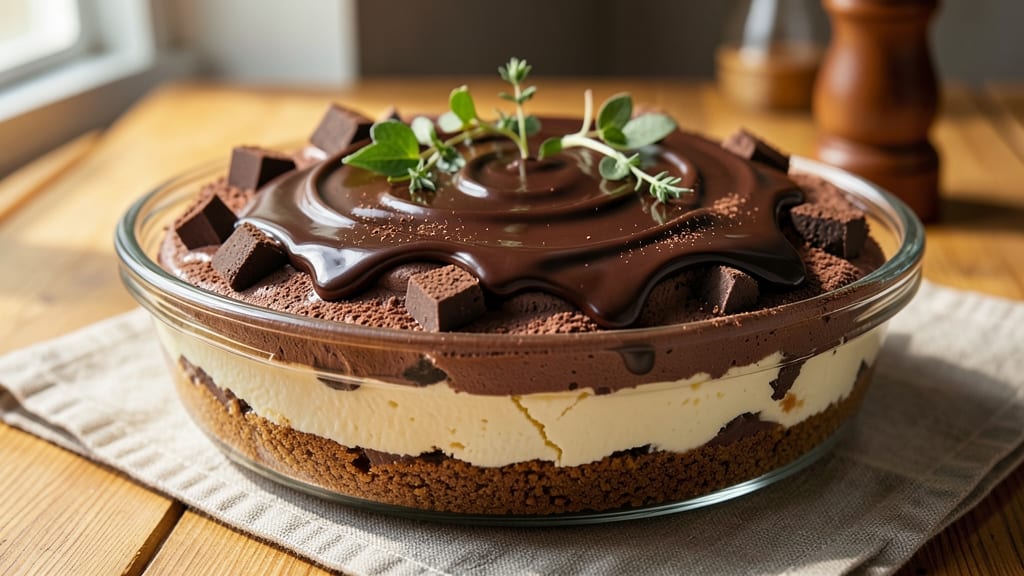
This Belgian chocolate cheesecake recipe delivers the perfect marriage of silky texture and rich Belgian chocolate flavor—where every bite reveals rivers of velvety ganache beneath a crispy, crackly chocolate top.
The secret lies in using high-quality Belgian dark chocolate (70% cocoa or higher) for that signature depth, combined with a foolproof technique that ensures a creamy, jiggly center. I've perfected this recipe after years of testing, and it's become the showstopper dessert at every gathering.
The foundation starts with a classic New York-style cheesecake base—smooth, dense, and rich—but what sets this apart is the Belgian chocolate twist.
A generous layer of dark chocolate ganache swirled into the batter creates those signature silky rivers, while a final topping of melted chocolate baked to a crispy finish adds texture and visual drama.
The recipe uses cream cheese for that signature tang, but the Belgian chocolate is what truly elevates it to restaurant-quality status.
What makes this recipe special is how it balances technique with simplicity. You'll need an 8-inch springform pan, precise temperature control (350°F for baking, then 300°F for the chocolate top), and patience for the water bath method—but the results are worth every step.
The cheesecake emerges with a golden crust, a smooth, velvety interior, and that irresistible crispy chocolate top that shatters with each bite.
Serve it chilled with a dollop of whipped cream, fresh raspberries, or a sprinkle of crushed praline for that authentic Belgian touch. This dessert is elegant enough for special occasions but simple enough to make regularly. Let's get baking!
Ingredients for belgian chocolate cheesecake
High-quality Belgian chocolate and creamy textures create this luxurious dessert masterpiece.
| Ingredient | Amount | Notes |
|---|---|---|
| High-Quality Belgian Dark Chocolate (70% cocoa or higher) 🍫 | 12 oz | Valrhona or Callebaut recommended |
| Full-Fat Cream Cheese 🧀 | 32 oz | Philadelphia or similar brand |
| Heavy Whipping Cream 🥛 | 1 cup | Cold, for ganache and topping |
| Large Eggs 🥚 | 4 whole | Room temperature preferred |
| Granulated Sugar 🍚 | 1 ½ cups | Superfine preferred for smoothness |
| All-Purpose Flour 🌾 | ½ cup | For crust texture |
| Unsalted Butter 🧈 | ½ cup | Cold, cubed for crust |
| Vanilla Extract 🌿 | 1 tbsp | Pure Madagascar preferred |
| Salt 🧂 | ½ tsp | Fine sea salt |
| Crushed Praline 🍯 | ¼ cup | For Belgian authenticity |
| Raspberries 🍓 | 1 cup | Fresh or frozen, for garnish |
| Whole Milk 🥛 | ½ cup | For water bath |
| Granulated Sugar (for topping) 🍚 | ¼ cup | For contrast texture |
The Belgian dark chocolate is non-negotiable for that signature depth. Valrhona or Callebaut brands deliver the richest flavor profile, but any 70%+ cocoa Belgian chocolate will work. Look for bars with a glossy sheen and vibrant color—these indicate high cocoa content and freshness. The cream cheese should be full-fat for optimal texture; Philadelphia is a reliable choice, but any brand with high butterfat content will suffice. For the ganache, use heavy whipping cream that's cold but not frozen, as this ensures a smooth, velvety consistency when combined with the chocolate. Pre-measure all ingredients to avoid mid-process adjustments, especially the delicate ganache layer.
No Belgian chocolate on hand? High-quality European dark chocolate (70% cocoa or higher) can substitute, though the flavor profile will differ slightly. For the crust, if you lack praline, crushed hazelnuts or almonds provide a similar crunch. The vanilla extract should be pure Madagascar for authentic flavor, but imitation will work in a pinch. When swirling the ganache into the batter, use a rubber spatula to create those signature rivers—don't overmix, or the texture will suffer. For the crispy chocolate top, ensure the oven temperature is precise; 350°F for baking, then 300°F for the chocolate finish is critical for achieving that crackly texture without burning.
This cheesecake must rest for at least 4 hours before serving to allow flavors to meld fully. Store leftovers in an airtight container in the refrigerator for up to 5 days, though the texture may slightly firm up after the initial chilling period. For the crispy chocolate top, reheat briefly in the oven at 300°F for 5-10 minutes to restore its texture. The ganache rivers are best enjoyed at room temperature, so remove the cheesecake from the fridge 30 minutes before serving. Garnish with fresh raspberries just before serving to maintain their vibrant color and contrast the rich chocolate.
Why You'll Love This Recipe
- Here’s what sold me: the Belgian chocolate doesn’t scream “bitter.” It’s deep, velvety, and the cream cheese keeps it luscious. (Yes, even on a Tuesday night.)
- No-Fuss Layers: I swear, the crust goes together in three minutes—just melt butter, mix in crushed chocolate, press it down. No rolling, no stress. That’s my kind of baking.
- Rich Without Overpowering: Here’s what sold me: the Belgian chocolate doesn’t scream “bitter.” It’s deep, velvety, and the cream cheese keeps it luscious. (Yes, even on a Tuesday night.)
- Weekend or Weeknight: Slice it for a fancy dinner, or pack it for lunch—same creamy magic. I’ve served it at brunch, as dessert after pasta, and even in the office. Works every time.
Step-by-step instructions for Belgian chocolate cheesecake
Mastering this recipe delivers a perfect balance between velvety ganache and crisp chocolate crust.
Create the Chocolate Crust
Preheat your oven to 350°F. In a food processor, pulse together the 12 oz high-quality Belgian dark chocolate, 0.5 cup unsalted butter, and 0.5 cup all-purpose flour until the mixture resembles coarse crumbs with some chocolate pieces remaining. This texture ensures a sturdy yet tender crust.
Press the mixture evenly into a 9-inch springform pan, using the bottom of a glass to create an even layer. Bake for 10 minutes until the edges begin to set and develop a subtle golden hue. Remove from the oven and let cool completely—this prevents the crust from becoming soggy when the cheesecake filling is added later.
Prepare the Chocolate Ganache
In a heatproof bowl, combine the 1 cup heavy whipping cream and 0.25 cup granulated sugar (for topping). Place the bowl over a saucepan of simmering water, ensuring the bottom of the bowl doesn't touch the water. Heat until the cream reaches 180°F—you'll see small bubbles form around the edges and the mixture should be steaming gently.
Immediately pour the hot cream over the 12 oz high-quality Belgian dark chocolate in a separate bowl, ensuring the chocolate is completely submerged. Let it sit for 5 minutes until the chocolate melts completely and the mixture becomes glossy and smooth. Stir in the 1 tbsp vanilla extract and 0.5 tsp salt to enhance the flavor profile. This ganache will form the rich, silky rivers throughout the cheesecake.
Mix the Cheesecake Filling
In a large mixing bowl, beat the 32 oz full-fat cream cheese and 1.5 cups granulated sugar on medium speed until completely smooth and creamy—this typically takes about 3-5 minutes. Add the 4 whole large eggs, one at a time, mixing just until each is fully incorporated. Avoid overmixing, as this can create air bubbles that may cause cracks in the final product.
Gently fold in the prepared ganache using a spatula, ensuring even distribution. The mixture should be thick but pourable. Sprinkle the 0.25 cup crushed praline evenly over the top of the crust in the pan, then pour the filling over it, spreading it out evenly. This creates the signature Belgian texture contrast and flavor.
Bake and Water Bath
Place the springform pan inside a larger roasting pan. Pour the 0.5 cup whole milk into the bottom of the roasting pan to create a water bath. This helps the cheesecake bake evenly and prevents cracking. Bake at 325°F for 50-60 minutes until the edges are set but the center still has a slight wobble—it will continue to firm up as it cools.
Remove from the oven and let cool in the water bath for 1 hour. Then, transfer to the refrigerator to chill for at least 4 hours or overnight. The longer it chills, the firmer and more stable the texture becomes. This patience ensures the perfect silky texture when sliced.
Finish and Serve
Once fully chilled, run a knife around the edge of the springform pan to loosen the cheesecake. Top with the 1 cup raspberries, arranging them in an even layer or creating a decorative pattern. The tartness of the raspberries complements the rich chocolate perfectly.
Serve slices immediately after removing from the refrigerator to enjoy the contrast between the crisp chocolate crust, velvety ganache rivers, and creamy cheesecake filling. Each bite should deliver layers of texture and flavor that define this Belgian classic.
Pro Tips For Making Belgian Chocolate Cheesecake
- Melt Chocolate Slowly: I learned this the hard way—dumping chopped Belgian chocolate into hot cream and expecting perfection leads to seizing. Instead, heat the cream just until it steams (not boils), then pour it over the chocolate in a bowl set over a pot of barely simmering water. Stir until it’s smooth but not a second longer, or you’ll get that grainy, sad texture no one wants.
- Beat Cream Cheese Cold: Take the cream cheese straight from the fridge—room temperature is overrated here. Beat it with the sugar and eggs until it’s truly pale and fluffy, about 3-4 minutes. If it looks even slightly grainy, keep going. This isn’t the time to rush; a smooth batter means a silky texture, not a dense brick.
- Skip the Overmixing: Once you fold in the melted chocolate-cream mixture, stop mixing the second everything’s combined. Overworking the batter introduces air bubbles that’ll pop in the oven, leaving sinkholes. Two gentle folds with a spatula are all it takes—no need to "ensure" it’s perfect.
- Bake Low and Slow: That 350°F oven? Too aggressive. Reduce it to 325°F and bake for the full time, even if the edges look set sooner. The center needs to jiggle just slightly when shaken—if it’s fully firm, it’ll crack as it cools. And yes, even if you’re impatient like me, resist the urge to peek.
Dietary considerations for belgian chocolate cheesecake
Gluten-Free Adaptation
To make this Belgian chocolate cheesecake gluten-free, replace the 0.5 cup all-purpose flour in the crust with 0.5 cup gluten-free 1:1 baking flour (like Bob's Red Mill or King Arthur). For extra stability, add 2 tbsp cornstarch to the crust mixture.
The texture remains sturdy while accommodating gluten-sensitive diets. Always check your gluten-free flour brand for xanthan gum content—some already include it, while others require an additional 0.25 tsp to improve binding. 🥄
Dairy-Free Options
For a dairy-free version, substitute the 32 oz full-fat cream cheese with 32 oz dairy-free cream cheese (like Kite Hill or Violife). Replace the 0.5 cup unsalted butter in the crust with 0.5 cup dairy-free butter (Miyoko's or Earth Balance).
The heavy whipping cream in the ganache can be swapped for full-fat coconut cream, chilled overnight to achieve a similar texture. Note that coconut cream has a slight sweetness, so reduce the granulated sugar in the ganache by 1 tbsp.
Lower Sugar Version
Reduce the 1.5 cups granulated sugar in the cheesecake filling to 1 cup and replace the remaining 0.5 cup with 0.25 cup monk fruit sweetener (like Lakanto) or 0.5 cup coconut sugar for a lower-glycemic option.
For the ganache, cut the sugar to 0.125 cup and use 0.125 cup maple syrup instead. The flavor remains rich, but with natural sweetness and fewer refined carbs. Taste as you go—some sweeteners vary in intensity.
Nut-Free Considerations
This recipe is naturally nut-free, but if you're avoiding praline (which contains almonds), replace the 0.25 cup crushed praline with 0.25 cup crushed white chocolate or 0.25 cup toasted coconut flakes.
For additional crunch, sprinkle 0.25 cup dairy-free chocolate chips (Enjoy Life brand) on top before baking. Always check labels on chocolate and toppings for cross-contamination warnings if severe allergies are a concern.
Egg Substitutes
For an egg-free adaptation, replace the 4 whole large eggs with a flax egg mixture: combine 4 tbsp ground flaxseed with 10 tbsp water and let sit for 5 minutes to thicken.
Alternatively, use 4 tbsp aquafaba (chickpea brine) per egg, whipped to soft peaks before folding into the batter. These substitutes add moisture and binding without altering the cheesecake's silky texture significantly. 🥚
Nutrition facts
Frequently asked questions
Can I use milk chocolate instead of Belgian dark chocolate?
While you can substitute milk chocolate, the flavor profile will be much sweeter and less sophisticated. Belgian dark chocolate (70% cocoa or higher) delivers that signature depth and bitterness that makes this dessert special. If you must use milk chocolate, reduce the sugar in the ganache by 2 tablespoons to balance the sweetness.
Why does my cheesecake have cracks?
Cracks usually appear from overmixing the batter, opening the oven door too soon, or baking at too high a temperature. To prevent them: mix just until combined, avoid opening the oven during baking, and use a water bath (as in this recipe). If cracks appear, cover them with extra chocolate shavings or whipped cream when serving.
How do I make the chocolate top extra crispy?
The key is precise temperature control and timing. After baking the cheesecake, increase the oven to 375°F and bake the chocolate topping for 3-5 minutes until it's firm and crackly. For extra crispiness, chill the cheesecake for 2 hours before adding the chocolate topping, then bake it separately on a parchment-lined tray.
Can I bake this cheesecake without a water bath?
While possible, a water bath prevents cracking and ensures even baking. If skipping it, reduce the oven temperature to 300°F and bake for 70-80 minutes, checking frequently. The center should jiggle slightly when done. Without the water bath, the edges may set too quickly, increasing crack risk.
How long can I store leftovers?
This cheesecake stays fresh in an airtight container in the fridge for 5-6 days. For longer storage, freeze slices for up to 3 months. Thaw overnight in the fridge, then let sit at room temperature for 30 minutes before serving to restore the creamy texture. The chocolate top may soften slightly after freezing—reheat briefly at 300°F to restore crispness.