
Desserts
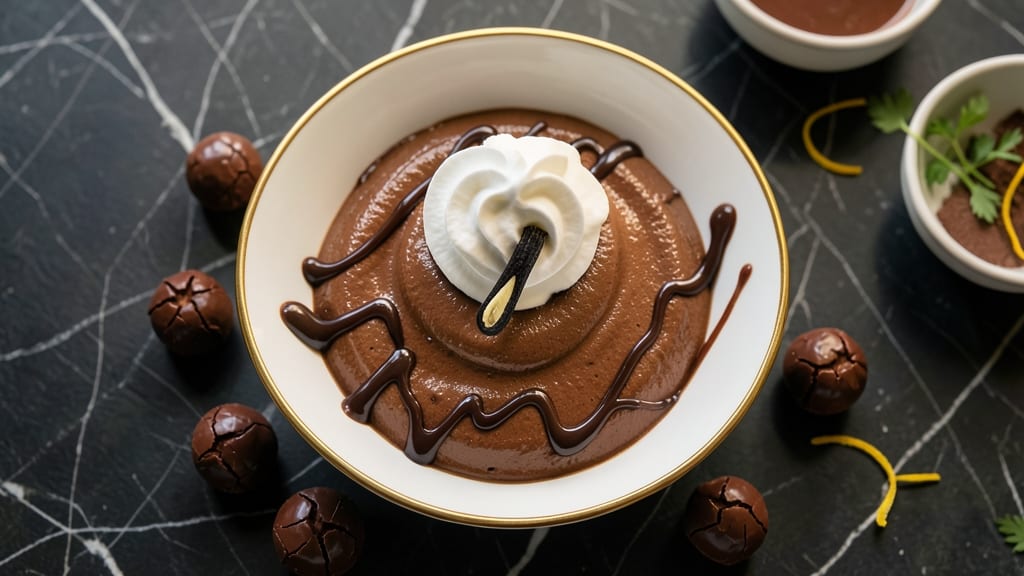
This Belgian chocolate mousse recipe delivers the silky ganache and crispy chocolate shells that make it unforgettable. The secret lies in tempering high-quality Belgian chocolate to create a velvety texture while maintaining that signature snap from the crispy shell.
I developed this version after years of perfecting the balance between rich, velvety mousse and the delicate crunch of chocolate shards.
The process begins with carefully melting and cooling the chocolate to achieve the perfect temper, ensuring each bite melts smoothly on your tongue. Whipped cream is folded in just enough to maintain airiness without compromising the chocolate's depth.
Chilling times are critical—too short, and the texture won't set properly; too long, and the mousse loses its lusciousness. Every step is designed to preserve that authentic Belgian chocolate experience.
What you'll end up with is a dessert that's restaurant-quality—each spoonful delivers a perfect contrast between the silky ganache and the crispy chocolate shell that adds an exciting textural element.
The ganache itself is rich, velvety, and deeply chocolatey, while the shell provides a satisfying crunch that keeps every bite interesting. This isn't just dessert; it's an experience that transforms any meal into something special.
Serve it chilled with fresh berries or a dusting of cocoa powder for the full presentation. The crispy chocolate shells add an elegant touch that makes this mousse perfect for celebrations or when you want to impress. Let's get started on creating this luxurious Belgian chocolate masterpiece.
Ingredients for belgian chocolate mousse
Six luxurious ingredients transform into restaurant-quality Belgian chocolate mousse with crispy shells.
| Ingredient | Amount | Notes |
|---|---|---|
| High-Quality Belgian Dark Chocolate (70% Cocoa) 🍫 | 12 oz | Valrhona or Callebaut preferred |
| Heavy Whipping Cream 🥛 | 2 cups | Full-fat, cold from fridge |
| Granulated Sugar 🍚 | ¼ cup | Superfine preferred for smoothness |
| Large Egg Yolks 🥚 | 4 whole | Room temperature for best emulsification |
| Vanilla Bean 🌿 | 1 whole | Scraped seeds only, high-quality |
| Unsalted Butter 🧈 | 4 tbsp | European-style preferred |
| Pinch of Salt 🧂 | ⅛ tsp | Enhances flavor subtly |
| Crispy Chocolate Shells 🍫 | ½ cup | Homemade or store-bought (like Lindt) |
| Fresh Raspberries 🍓 | 1 cup | For garnish, optional |
| Cocoa Powder 🍫 | 2 tbsp | Natural, unsweetened |
The chocolate is non-negotiable—Valrhona or Callebaut Belgian chocolate (70% cocoa) delivers that signature depth. Whole beans at specialty stores like Williams Sonoma or Sur La Table ensure freshness. For the vanilla, Madagascar Bourbon beans from Penzeys add complexity. Pro tip: temper the chocolate properly—double-boiler method at 115°F (46°C) for that glossy finish. The crispy shells? Homemade is best—melt chocolate, spread thin on parchment, chill, then break into shards.
No Belgian chocolate? High-quality 70% dark chocolate works in a pinch (Lindt or Ghirardelli), but expect slightly less complexity. Substitute vanilla bean with 1 tsp vanilla extract—though fresh scrapings elevate everything. For the shells, crushed chocolate-covered pretzels add a fun twist (trust me, it works). Whipping cream must be cold—room temperature cream won't whip properly. And that sugar? Superfine if you can find it—it dissolves smoother, leaving no graininess. The cocoa powder? Natural, not Dutch-processed—it's key for that authentic Belgian flavor.
This mousse needs 4 hours to set—no rushing! Store leftovers in an airtight container with parchment between layers to prevent sogginess. 3 days max**—the texture degrades after that. For serving, chill the shells separately so they stay crisp. Pro move: dust with extra cocoa powder right before serving. Freezing? Not recommended—the shells lose their crunch. Make ahead? Absolutely—just assemble the day of serving for that perfect contrast.
Why You'll Love This Recipe
- No Whisk Required: I swear by the double-boiler method here—just melt that 70% Belgian chocolate with the yolks and sugar until it’s silky smooth. No blender, no food processor, no fuss. The cream whips up in minutes, and honestly? The hardest part is waiting for it to chill.
- Rich Without Overpowering: That vanilla bean isn’t just for show—it cuts through the deep cocoa bitterness like a whisper. The sugar balances the dark chocolate so well, it’s creamy but not cloying, velvety but not heavy. One bite and you’ll understand why I keep a bar of this chocolate on hand just for emergencies.
- Date-Night Ready: This is my go-to when I want to impress without slaving away. Serve it in small glasses with a dusting of cocoa or a raspberry coulis—looks fancy, takes zero effort. Between us, my partner thinks I’m a culinary genius after this one.
- Leftovers That Last: Make a big batch and store it for up to 3 days—no weird texture changes, just perfect mousse every time. I’ll often double the recipe because it disappears fast, and honestly? The cost per serving is a steal for something this luxurious. (Yes, even on a Tuesday night.)
Step-by-step instructions for Belgian chocolate mousse
Here's how to create a luxurious Belgian chocolate mousse with velvety ganache and crispy chocolate accents.
Create the Silky Chocolate Ganache
Chop the 12 oz high-quality Belgian dark chocolate (70% cocoa) into small, even pieces and place them in a heatproof bowl. Set this over a saucepan of simmering water, ensuring the bowl doesn't touch the water directly—this creates a gentle double boiler. Add the 2 cups heavy whipping cream and let the mixture sit for 5-7 minutes until the chocolate melts completely and the cream reaches 110°F. You'll know it's ready when the ganache looks glossy and smooth with no visible streaks of chocolate.
Remove the bowl from heat and stir in the scraped seeds from 1 whole vanilla bean and the 0.125 tsp pinch of salt. Let the ganache cool to 90°F while you prepare the egg yolks—this temperature ensures the eggs cook gently without scrambling. I like to place the bowl in an ice bath for 10 minutes to accelerate cooling while maintaining smoothness. The ganache should thicken slightly as it cools but remain pourable—this is perfect for folding later.
Temper the Egg Yolks and Sugar
In a separate bowl, whisk together the 4 whole large egg yolks and 0.25 cup granulated sugar over a double boiler (again, no direct contact with water) until the mixture reaches 160°F and thickens to a pale ribbon stage. You'll notice the mixture will triple in volume and become slightly translucent—this is when it's ready. Remove from heat immediately and let cool to 100°F while whisking continuously to prevent curdling.
Here's the thing—this tempering step is crucial. If the yolks are too hot when combined with the ganache, they'll scramble and ruin the silky texture. I always test the temperature with a candy thermometer for precision. Once cooled, the yolks should be thick but still pourable, like a light custard. Set aside until ready to use.
Fold the Ganache and Egg Mixtures
Gently fold 1 cup of the cooled ganache into the tempered egg yolk mixture using a spatula, working in smooth strokes from the bottom to the top. This initial incorporation prevents the eggs from cooking further. Then, gradually fold in the remaining ganache until fully combined and completely smooth. You're aiming for a mousse-like consistency—thick but still able to coat the back of a spoon.
For the crispy texture, fold in the 0.5 cup crispy chocolate shells at the very end. Distribute them evenly throughout the mousse so each serving gets a satisfying crunch. This is where the magic happens—the contrast between the silky ganache and crispy chocolate creates an irresistible mouthfeel. Don't overmix after adding the shells or you'll break them down.
Whip the Cream and Assemble
In a separate bowl, whip the 2 cups heavy whipping cream to stiff peaks using a stand mixer fitted with the whisk attachment. You'll know it's ready when the cream holds its shape when the whisk is lifted. Fold 1 cup of this whipped cream into the chocolate mixture to lighten it, then gently fold in the remaining cream until fully incorporated. This step ensures the mousse has airy pockets while maintaining its rich chocolate character.
Divide the mousse evenly among 6 serving glasses (about ½ cup each). For presentation, dust the top with 2 tbsp cocoa powder and garnish with 1 cup fresh raspberries. Chill uncovered in the refrigerator for at least 4 hours—this allows the flavors to meld and the texture to set properly. The mousse should be firm enough to hold its shape when unmolded but still silky when served.
Serve with Crispy Contrast
Before serving, run a knife around the edges of each glass to release the mousse cleanly. Top each portion with an additional 2-3 crispy chocolate shells and a few fresh raspberries. The contrast between the velvety ganache, crispy chocolate, and juicy raspberries creates a symphony of textures and flavors. Serve immediately for the perfect balance of temperature and texture.
This mousse delivers on all the promises—rich Belgian chocolate flavor, silky texture, and that essential crispy element that makes it truly special. The secret lies in the precise temperatures and gentle folding techniques that preserve both the airiness and the decadence. Enjoy every luxurious bite!
Pro Tips For Making Belgian Chocolate Mousse
- Temper the Chocolate: Melt the Belgian chocolate gently over a double boiler—never direct heat. I learned this the hard way when I rushed it and ended up with grainy, seizing chunks that ruined the texture. Once melted, let it cool to just above body temperature before mixing with yolks, or you’ll scramble the eggs.
- Whisk Yolks Cold: Chill the egg yolks in the fridge for 10 minutes before whisking with sugar and vanilla. Warm yolks turn the custard grainy, and nobody wants a mousse that tastes like overcooked egg. Work fast but steady—no need to stress, just smooth strokes.
- Whip Cream to Stiff Peaks: Stop beating the cream when it holds a peak that flops over just slightly—this traps air without making the mousse dry. Overwhipped cream collapses under its own weight, and you’ll end up with a sad, dense puddle instead of silky clouds.
- Fold in Two Stages: First, gently fold a third of the whipped cream into the chocolate-yolk mix to lighten it, then finish with the rest. This keeps the air bubbles intact and prevents deflation—yes, it’s two steps, but it’s the thing that matters most for that restaurant-quality texture.
Perfect pairings for this dish
Wine Pairings
For this Belgian chocolate mousse, I recommend a Portuguese Ruby Port—its rich, fruity notes complement the deep cocoa without overpowering it. The slight sweetness mirrors the dessert's decadence while the alcohol cuts through the richness.
A 70% cocoa chocolate pairs beautifully with a 20-year Tawny Port for a more complex, nutty interplay. 🍷
If you prefer red wine, a Cabernet Sauvignon with 12-15% alcohol works wonders. Look for one with dark fruit and earthy undertones from Napa Valley—it balances the chocolate's intensity. Avoid heavy, tannic wines like Malbec, as they'll clash with the mousse's silky texture.
Coffee Pairings
A dark roast espresso with medium body and low acidity is my go-to pairing. The bitterness in the coffee enhances the chocolate's depth, creating a harmonious contrast.
I love a single-origin Ethiopian Yirgacheffe for its floral notes—it adds a surprising brightness to the dessert. Serve it chilled for an elegant touch. ☕
For a lighter option, try a decaf cold brew with a splash of vanilla syrup. The subtle sweetness won't compete with the chocolate but will elevate the overall experience. Avoid overly sweet lattes—they'll make the mousse taste flat by comparison.
Dessert Pairings
Fresh raspberries are a must—their tartness cuts through the richness, balancing every bite. I arrange them in a sunburst pattern on the plate for visual appeal. For a tropical twist, add passion fruit coulis drizzled artistically over the top. 🍓
If you're serving this at a holiday gathering, pair it with crispy tuiles or shortbread cookies. The buttery crunch contrasts perfectly with the mousse's velvety texture. For a boozy pairing, serve with a chocolate-dipped strawberry—the combination is pure indulgence.
Seasonal Adaptations
In summer, swap raspberries for peaches or mango—their juiciness complements the mousse beautifully. A sprinkle of toasted coconut flakes adds a tropical vibe. For fall, use pomegranate seeds and a drizzle of caramel sauce for a festive touch. 🍂
Winter calls for cranberries and a dusting of powdered sugar—the tartness and sweetness create a perfect balance. For a holiday twist, add candied orange peel or gingersnap crumbles to the mousse before chilling. The spices add warmth without overpowering the chocolate.
Nutrition facts
Frequently asked questions
Why does my Belgian chocolate mousse turn grainy?
The most common causes are over-whipping the cream or letting the egg yolk mixture overheat. Always whip cream to stiff peaks (not butter) and temper the yolks to 160°F—no higher! For extra smoothness, use superfine sugar and strain the ganache before folding.
Can I make this mousse ahead of time?
Yes! Assemble the mousse up to 24 hours ahead and refrigerate uncovered. The top will form a skin, which you can easily break through before serving. For best texture, chill for at least 4 hours before eating. Pro tip: Store with parchment between layers to prevent sogginess.
What's the difference between Belgian chocolate mousse and regular chocolate mousse?
Belgian chocolate mousse uses high-quality 70% cocoa Belgian chocolate and includes a crispy chocolate shell element for texture contrast. Regular mousse often skips the shells and may use lower-grade chocolate. The Belgian version also incorporates tempered egg yolks for extra richness and stability.
How do I fix if my mousse is too runny?
If your mousse is too thin, it likely didn't chill long enough. Return it to the fridge for 2-3 more hours. For immediate fixes, fold in 1 extra tbsp whipped cream (already chilled) to help stabilize it. Avoid adding more chocolate—it'll make it even thinner. The key is proper chilling time!
Can I substitute white chocolate for Belgian dark chocolate?
Not recommended! Belgian dark chocolate (70% cocoa) provides the signature depth and bitterness that white chocolate lacks. If you must use white chocolate, increase the cocoa powder to 3 tbsp and add 1 tsp instant espresso powder to enhance chocolate flavor. The texture will be sweeter and less complex.