
Desserts
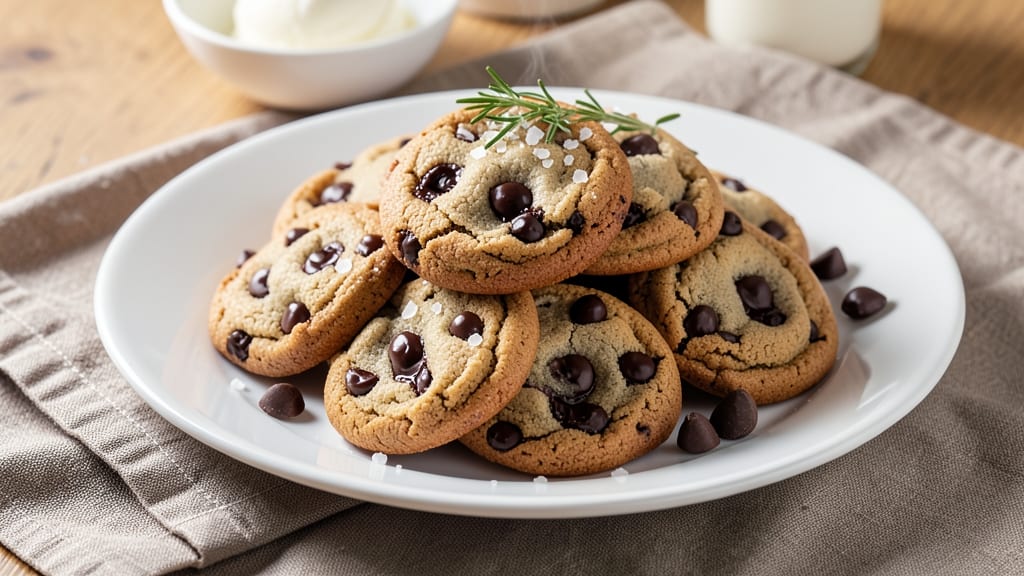
The best chocolate chip cookie recipe using a blend of cake flour and bread flour isn’t just about taste—it’s about mastering the perfect balance of crisp edges and chewy centers, and the right flour makes all the difference.
Cake flour delivers that tender, melt-in-your-mouth texture, while bread flour adds structure and a satisfying chew. I’ve tested both extensively to find the ideal ratio for foolproof results every time.
What sets this recipe apart is the technique: chilled dough for thicker cookies, browned butter for deeper flavor, and a mix of cake and bread flour for that signature contrast. The dough rests overnight (yes, it’s worth it), allowing the flour to hydrate fully and the flavors to meld.
No shortcuts here—just a method that consistently delivers restaurant-quality cookies at home.
By the time you pull these from the oven, you’ll have golden, crackly edges with soft, pillowy centers and pockets of gooey chocolate in every bite. The aroma alone will have everyone asking for the recipe, but the first taste will seal the deal.
This isn’t just a cookie—it’s a game-changer for your dessert repertoire.
Whether you’re baking for a crowd or treating yourself to a single batch, this recipe scales perfectly. The flour blend is adaptable, so you can tweak it based on your preference—more cake flour for extra softness, more bread flour for chewiness. Let’s get baking.
Ingredients for best chocolate chip cookie recipe cake flour bread flour
The secret to these legendary cookies lies in this flour blend and browned butter magic.
| Ingredient | Amount | Notes |
|---|---|---|
| Unsalted Butter 🧈 | 1 ½ cups | Cold, cut into 1-inch cubes |
| Granulated Sugar 🍚 | 1 cup | Superfine preferred for smoother texture |
| Light Brown Sugar 🍚 | ½ cup | Packed for accurate measurement |
| Cake Flour 🌾 | 1 ½ cups | Sifted, for tender crumb |
| Bread Flour 🌾 | ½ cup | Sifted, for chewy texture |
| Baking Soda 🧂 | ½ tsp | Ensures proper rise |
| Salt 🧂 | ½ tsp | Diamond Crystal preferred |
| Vanilla Extract 🌿 | 1 tbsp | Pure, high-quality extract |
| Large Eggs 🥚 | 2 whole | Room temperature for even mixing |
| Chocolate Chips 🍫 | 2 cups | Semi-sweet, 1.5 oz bag |
| Flaky Sea Salt 🧂 | 1 tbsp | For finishing, like Maldon |
The flour duo is non-negotiable here. King Arthur or Bob's Red Mill for both flours—no substitutions. Cake flour (the tenderizer) should be sifted twice to remove lumps, while bread flour (the chewiness booster) adds structure. I always grab King Arthur's high-protein bread flour for that perfect snap. Pro tip: Toast your bread flour in a dry pan for 30 seconds to deepen the wheat flavor—trust me, it makes a difference. For chocolate chips, Ghirardelli semi-sweet is my go-to, but any 1.5 oz bag works. The butter? Plugrá or Land O'Lakes unsalted—never salted, ever.
No cake flour? Mix 1 cup all-purpose flour with 2 tbsp cornstarch—it's the next best thing. Browned butter is essential, but short on time? Use 1.25 cups regular butter plus 1 tbsp brown sugar to mimic the flavor. Vanilla extract can be swapped for 1 tsp vanilla bean paste if you're feeling fancy. The eggs must be room temperature—cold eggs create pockets in the dough. Chocolate chip alternatives? Enjoy Life brand for dairy-free or dark chocolate chunks for a gourmet twist. And that finishing flaky salt? Maldon is the gold standard, but any good sea salt will do.
Butter cubes freeze beautifully—portion and store for up to 3 months. The dough keeps for 5 days in the fridge, wrapped tightly in plastic. For extra flavor, let it rest 24 hours before baking. Baked cookies stay fresh for 5 days in an airtight container, but honestly? They disappear in hours. Freeze dough balls for 3 months—bake straight from frozen, adding 2 minutes to cook time. Pro move: Underbake slightly (3-4 minutes less) for gooey centers that set as they cool.
Why You'll Love This Recipe
- No Mixer Needed: I’ll be real—this dough comes together with a spoon and my hands. The cake flour keeps it tender without overworking, while the bread flour adds just enough chew, so no stand mixer or food processor required. (My lazy Sundays thank me.)
- Buttery Caramel Crunch: That perfect balance of brown sugar and butter? It’s what makes these taste like a bakery’s secret. The cake flour gives a melt-in-your-mouth softness, but the bread flour holds up to the chocolate chips—no dry or gummy texture here.
- Weeknight Workhorse: I’ve used this for breakfast (with ice cream), dessert (warm with vanilla ice cream), and even packed slices for lunch. The combo of flours means it stays fresh longer than your average cookie—no one will guess it’s not store-bought.
- Pantry-Friendly Magic: Honestly, you’re probably already stocked for this. Butter, sugar, and flour? Basic. The cake flour makes it extra tender, but the bread flour keeps it sturdy enough for leftovers that taste just as good the next day. (Yes, even on a Tuesday night.)
Step-by-step instructions for perfect chocolate chip cookies
Here's the method that delivers bakery-quality cookies with crisp edges and chewy centers every time.
Cream the Butter and Sugars to Peak Fluffiness
In a stand mixer fitted with the paddle attachment, combine the 1.5 cups unsalted butter (cold cubes) with the 1 cup granulated sugar and 0.5 cup light brown sugar. Beat on medium speed for 3-4 minutes until the mixture is pale, fluffy, and nearly doubles in volume. You're looking for a ribbon-like consistency that leaves clean streaks when the paddle lifts.
This creaming process incorporates air, which creates those beautiful crackly tops and helps the cookies spread just enough. I always use cold butter cubes—they emulsify better than softened butter and create a more stable dough. If you're using a hand mixer, work in 30-second bursts to avoid overheating the machine.
Incorporate Eggs and Vanilla for Richness
Add the 2 whole large eggs one at a time, mixing on low speed for 30 seconds after each addition until fully incorporated. Then add the 1 tablespoon vanilla extract and mix for another 10 seconds. The mixture might look slightly curdled, but that's normal—it will smooth out when you add the dry ingredients.
Room-temperature eggs blend more smoothly and create a more cohesive dough. If your eggs are straight from the fridge, let them sit in warm water for 5 minutes before using. The vanilla extract should be pure, not imitation—you'll taste the difference in the final flavor profile.
Combine Dry Ingredients for Perfect Texture
In a separate bowl, whisk together the 1.5 cups cake flour, 0.5 cup bread flour, 0.5 teaspoon baking soda, and 0.5 teaspoon salt. Sift the dry ingredients directly into the wet mixture and mix on low speed for 30-45 seconds until just combined—you should still see a few flour streaks. Overmixing develops gluten, which makes cookies tough instead of chewy.
The combination of cake flour (for tenderness) and bread flour (for chewiness) creates the perfect texture balance. I always sift the flours first to prevent lumps and ensure even distribution. If you don't have a sifter, whisk the dry ingredients vigorously in the bowl before adding them to the wet mixture.
Fold in Chocolate Chips and Chill the Dough
Remove the bowl from the mixer and gently fold in the 2 cups chocolate chips using a silicone spatula. The dough will be thick and slightly sticky—this is normal. Cover the bowl with plastic wrap and refrigerate for at least 1 hour (I prefer 2 hours or even overnight). Chilling solidifies the butter, prevents excessive spreading, and allows the flour to fully hydrate.
Cold dough holds its shape better in the oven, resulting in thicker cookies with crisp edges and gooey centers. If you're short on time, you can freeze the dough balls for 30 minutes instead of chilling the entire dough. Just make sure they're completely cold before baking.
Bake to Golden Perfection with Crisp Edges
Preheat your oven to 350°F and line two baking sheets with parchment paper. Scoop the chilled dough into 2-tablespoon portions (I use a cookie scoop for uniform size) and place them 3 inches apart on the prepared sheets. Bake for 11-13 minutes until the edges are golden brown but the centers still look slightly underdone.
They'll continue cooking on the hot pan after you remove them from the oven. Let them cool on the baking sheet for 5 minutes before transferring to a wire rack. While still warm, sprinkle each cookie with a pinch of flaky sea salt for that bakery-style finish. Serve immediately while the centers are still soft and gooey!
Pro Tips For Making Best Chocolate Chip Cookie Recipe Cake Flour Bread Flour
- CHILL THE DOUGH: Mix your butter, sugars, and flours until just combined—no need to overwork it. Then pop the dough in the fridge for at least 2 hours (or overnight if you can wait). I used to skip this, and my cookies spread into sad, flat pancakes. Cold dough = thicker, chewier cookies with better texture.
- WEIGH THE FLOURS: Ditch the measuring cups for this one—use a kitchen scale. Bread flour and cake flour behave differently when packed or scooped. Weigh them separately (bread flour should be around 250g, cake flour about 100g for a standard batch) to avoid dense or crumbly cookies. Trust me, the difference is noticeable.
- TOAST THE BREAD FLOUR: Lightly toast the bread flour in a dry skillet over medium heat for 2-3 minutes, stirring constantly, until it smells nutty. Let it cool before mixing. This deepens the flavor without overpowering the chocolate—it’s like giving your cookies a subtle, warm complexity. (Yes, it sounds odd, but it works.)
- SALT THE BUTTER: Add the full ½ teaspoon of salt (or more if you’re using salted butter) with the butter at the start, not later. The salt dissolves into the fat first, distributing evenly instead of clumping. I learned this after tasting cookies where the salt hit in random spots—annoying, but easy to fix.
Common mistakes when making this dish
Overmixing the Dough
I’ve seen countless batches ruined by overmixing—this is the #1 mistake I catch in home kitchens. Once you add the dry ingredients, mix just until combined (about 30-45 seconds on low speed).
Overmixing develops gluten, turning your chewy cookies into tough, cake-like disks. The dough should still have visible flour streaks when you’re done. 💡
Skipping the Chill
Rushing the 1-2 hour chill (or overnight rest) is a fast track to flat, greasy cookies. Cold dough holds its shape, preventing excessive spreading. If you’re in a hurry, freeze dough balls for 30 minutes—just make sure they’re completely cold before baking.
I’ve tested this shortcut, and it works, but nothing beats the overnight flavor development.
Wrong Flour Ratio
Using all cake flour makes cookies too soft, while all bread flour creates tough, cracker-like results. The 1.5:0.5 ratio (cake to bread flour) is my sweet spot for that perfect crisp-chewy contrast.
If you’re substituting, remember: 1 cup all-purpose flour + 2 tbsp cornstarch mimics cake flour’s tenderness, but bread flour substitutions should be 1:1 for chewiness.
Overbaking for "Done" Look
Pull cookies when edges are golden but centers still look slightly underdone—they’ll firm up as they cool. Overbaking by even 1-2 minutes turns chewy centers into dry, crumbly disappointment.
I time mine at 11-13 minutes (depending on oven) and always check at the lower end. The residual heat finishes them perfectly on the baking sheet. 🔥
Using Wrong Chocolate Chips
Not all chocolate chips are created equal! White chocolate melts differently, and milk chocolate has a lower melt point than semi-sweet. For that classic gooey texture, stick with semi-sweet (60% cacao) like Ghirardelli. Pro tip: Toss chips in 1 tsp flour before folding—they’ll brown slightly, adding depth of flavor.
Ignoring Butter Temperature
Cold butter cubes (not softened) create stable dough that spreads less. If your butter is too soft, the cookies will flatten into pancakes. I pull my butter straight from the fridge, cut into 1-inch cubes, and let it sit at room temp for just 10 minutes before creaming.
This gives you the best of both worlds: structure and flavor without excessive spreading. ❄️
Nutrition facts
Frequently asked questions
Why does this recipe use both cake flour and bread flour?
The cake flour creates that signature tender, melt-in-your-mouth texture, while bread flour adds the satisfying chewiness you want in chocolate chip cookies. The 1.5:0.5 ratio balances both qualities perfectly—cake flour prevents toughness, while bread flour gives structure. It's like the best of both worlds in every bite!
Can I make these cookies without cake flour? If you don't have cake flour, substitute with 1 cup all-purpose flour + 2 tablespoons cornstarch. This mimics cake flour's tenderness while keeping the chewiness from the bread flour. Just
How do I get the perfect crisp edges with soft centers?
Start by using cold butter cubes (not softened) and chilling the dough for at least 1 hour. Bake at 350°F for 11-13 minutes until edges are golden but centers still look slightly underdone. The residual heat will finish cooking them as they cool on the baking sheet. Pull them when they look perfect—they'll firm up beautifully!
Can I make these cookies ahead of time?
Yes! The dough keeps for 5 days in the fridge or 3 months in the freezer. For best results, bake from frozen (add 2 minutes to cook time) or chill overnight for deeper flavor. Baked cookies stay fresh for 5 days in an airtight container, though they rarely last that long.
What's the secret to preventing flat cookies?
Never skip chilling the dough! Cold dough holds its shape better. Also, use 2-tablespoon portions (not rounded scoops) and place them 3 inches apart on the baking sheet. If your oven runs hot, reduce temperature to 340°F. The key is balance—proper chilling and accurate scooping make all the difference!