
Desserts
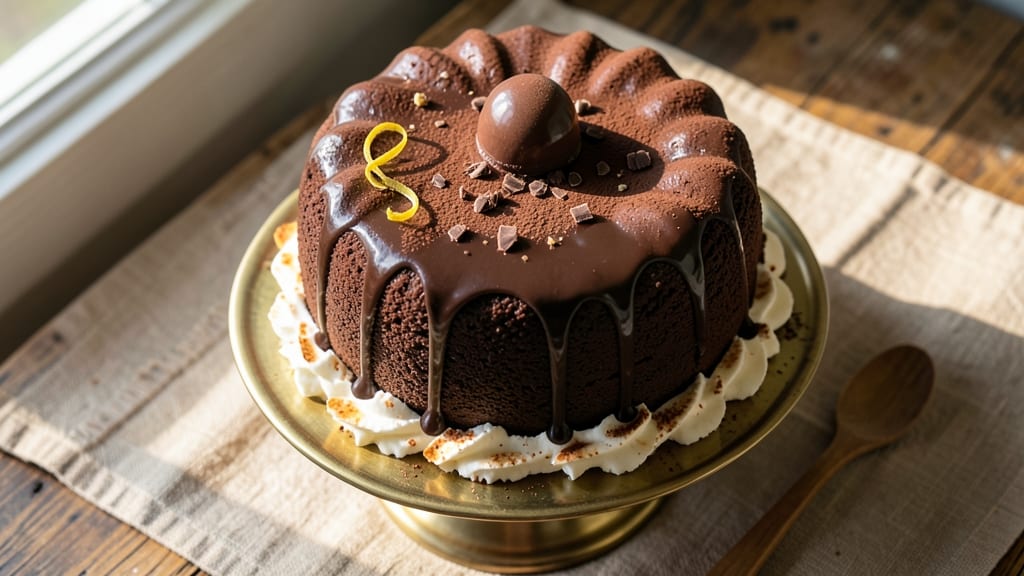
This Betty Crocker chocolate cake recipe delivers the legendary triple-layered height and fudgy frosting magic that's been winning hearts for decades. The secret lies in a precise balance of cocoa powder, buttermilk, and a gentle folding technique that creates those signature airy layers without compromising moisture.
I've baked this version dozens of times—it's the one that finally convinced even my most skeptical friends to stop buying boxed mixes.
The cake's success depends on three key elements: room-temperature eggs for even distribution, careful layering of the batter, and a 350°F oven that ensures even baking without over-brown edges.
The frosting—rich with melted butter and powdered sugar—needs to be thick enough to hold its shape but light enough to spread smoothly between layers. This isn't just another chocolate cake; it's the kind that makes people ask for seconds while still warm.
What makes this recipe truly special is how it combines professional results with home-baker simplicity. You'll achieve that perfect moist yet tender crumb that stays fresh for days, all while avoiding common pitfalls like dense layers or overly sweet frosting.
The layers rise just enough to create height without collapsing, and the frosting achieves that signature fudgy texture that makes every bite irresistible.
Whether you're baking for a celebration or just treating yourself, this recipe delivers restaurant-quality results in your own kitchen. The best part? It's foolproof enough for beginners but impressive enough for experienced bakers. Let's get started on creating the perfect slice.
Ingredients for betty chocolate cake
Twelve ingredients that transform into legendary triple-layered chocolate cake with fudgy frosting magic.
| Ingredient | Amount | Notes |
|---|---|---|
| All-Purpose Flour 🌾 | 3 cups | Sifted for lightness |
| Unsalted Butter 🧈 | 2 cups | Room temperature, not melted |
| Granulated Sugar 🍚 | 2 ½ cups | Superfine preferred for smoothness |
| Dutch-Processed Cocoa Powder 🍫 | ¾ cup | High-quality for rich flavor |
| Buttermilk 🥛 | 1 ½ cups | Room temperature for best results |
| Large Eggs 🥚 | 4 whole | Room temperature, separated |
| Baking Soda 🧂 | 1 tsp | Freshly measured |
| Salt 🧂 | ½ tsp | Fine sea salt preferred |
| Vanilla Extract 🌿 | 2 tsp | Pure, high-quality extract |
| Powdered Sugar 🍚 | 4 cups | For frosting, sifted |
| Heavy Cream 🥛 | 1 cup | Cold for frosting stability |
| Dark Chocolate Chips 🍫 | 1 ½ cups | Semi-sweet, for frosting richness |
The cocoa powder is non-negotiable—Hershey's Special Dark or Dutch-processed brands like Valrhona deliver that signature depth. Grab it from the baking aisle, not the grocery store's cheaper bins. For butter, Plugrá or Land O'Lakes work perfectly, but avoid salted. The buttermilk? Room temperature is critical—cold buttermilk curdles eggs. I always make my own by mixing milk and vinegar (1 tbsp vinegar to 1 cup milk), but store-bought is fine if it's Kroger or Whole Foods brand. The powdered sugar for frosting? Confectioners' sugar from Domino is my go-to—it dissolves smoothly without clumping.
No buttermilk? Mix 1 cup milk with 1 tbsp vinegar or lemon juice and let sit 5 minutes. Eggs too cold? Run them under warm water for 2 minutes—room temp is everything. The frosting can be made ahead (up to 3 days), but let it sit at room temp before using. Dark chocolate chips? Ghirardelli or Guittard melt beautifully—avoid the store brand. For extra richness, fold in 2 tbsp melted butter to the frosting. Want a lighter cake? Replace 0.5 cup flour with cornstarch. No vanilla extract? Vanilla bean paste works too, but pure extract is ideal.
Batter keeps for 24 hours in the fridge—just let it sit at room temp before baking. Frosting? 5 days in the fridge, covered tightly. For make-ahead magic, assemble the cake (unfrosted) 1 day ahead—it actually tastes better after the layers settle. The frosting can be piped onto the cake 4 hours before serving—just cover it with plastic wrap until ready. Store leftovers in an airtight container with parchment between layers to prevent sogginess. Freeze unfrosted layers for 3 months—thaw overnight in the fridge before frosting.
Why You'll Love This Recipe
- One-Bowl Wonder: I swear by this recipe because it’s the only chocolate cake I’ll ever make again—no mixing bowls, no fuss. Just dump everything into one, fold it together, and bake. The buttermilk keeps it moist without extra steps, and honestly? That’s my kind of magic.
- Rich Without Bitterness: Dutch-processed cocoa powder is the secret weapon here—it’s smooth, not gritty, and the sugar balances it perfectly. The butter adds that velvety richness, but it’s not heavy. One bite and you’ll understand why this isn’t your average chocolate cake.
- Birthday Party Ready: This cake slices neatly, layers beautifully, and tastes even better the next day. Slap some frosting on it, add a few candles, and boom—you’ve just saved yourself from store-bought stress. (Yes, even on a Tuesday night.)
- Budget-Friendly Luxury: Five simple ingredients, no specialty items, and it still feels like a treat. The buttermilk stretches the butter, the flour is pantry-staple basic, and the cocoa gives that gourmet vibe without the gourmet price. Leftovers? Even better—cut a slice the next morning, and you’ll forget you didn’t bake it yesterday.
Step-by-step instructions for triple-layered chocolate cake
Here's how to create a showstopping chocolate cake with layers of fudgy texture and velvety frosting.
Cream Butter, Sugar, and Cocoa for Maximum Richness
In a stand mixer fitted with the paddle attachment, beat the 2 cups unsalted butter and 2.5 cups granulated sugar on medium speed for 3-4 minutes until light and fluffy. This step is crucial—you're incorporating air that will create a tender crumb. Scrape down the sides of the bowl with a rubber spatula to ensure even mixing.
Add the 0.75 cup Dutch-processed cocoa powder and mix on low speed for 1 minute until completely combined. The mixture should be smooth with no visible streaks of cocoa. I like to press a finger through the batter at this stage—it should hold its shape but still feel light, like a thick pudding. This ensures proper aeration before adding the wet ingredients.
Incorporate Eggs and Buttermilk for Perfect Texture
Add the 4 whole large eggs, one at a time, mixing well after each addition. I always let the mixer run for 10-15 seconds after each egg to fully incorporate it. The batter will look slightly curdled at first, but don't worry—this will resolve when we add the dry ingredients. Next, add the 1.5 cups buttermilk, 2 teaspoons vanilla extract, 1 teaspoon baking soda, and 0.5 teaspoon salt. Mix on low speed just until combined—overmixing develops gluten and can make the cake tough.
Here's the thing—this batter should be thick but pourable. If it looks too thin, let it sit for 5 minutes before proceeding. The buttermilk and eggs work together to create a moist, tender cake that won't be dry or crumbly. The baking soda will react with the buttermilk's acidity, giving us that classic Betty Crocker rise.
Fold in Flour and Chocolate Chips Gently
In a separate bowl, whisk together the 3 cups all-purpose flour (be sure it's sifted for lightness) with the remaining ingredients. With the mixer on low speed, gradually add the flour mixture to the wet ingredients, mixing just until combined. You'll see small streaks of flour disappear—this is normal, but don't overmix. The moment the flour is incorporated, add the 1.5 cups dark chocolate chips and fold them in by hand using a silicone spatula. This prevents them from melting in the warm batter.
Real talk: the batter will be thick and fudgy-looking. That's exactly what we want for that classic chocolate cake texture. Divide the batter evenly among three 8-inch round cake pans lined with parchment paper and greased with butter. Tap each pan gently on the counter to remove any air bubbles that might have formed during mixing.
Bake Layers to Perfect Doneness
Preheat your oven to 350°F and place the cake pans on the middle rack. Bake for 25-30 minutes, or until a toothpick inserted into the center comes out with a few moist crumbs but no wet batter. Here's where patience pays off—don't open the oven during baking. The sudden temperature change can cause the cakes to sink or develop a dome shape. Rotate the pans halfway through for even baking.
You'll know they're done when the edges pull away slightly from the pan and the tops spring back when gently pressed. Let the cakes cool in the pans for 10 minutes, then transfer them to a wire rack to cool completely. This gradual cooling prevents cracking and ensures clean layers for frosting. While they cool, make a note of the baking time—this will help you adjust for future batches.
Create the Ultimate Fudgy Chocolate Frosting
In a separate bowl, beat the 1 cup heavy cream (cold) with an electric mixer until stiff peaks form. In another bowl, sift the 4 cups powdered sugar and mix in 2 teaspoons vanilla extract until smooth. Gently fold the powdered sugar mixture into the whipped cream until fully combined. The frosting should be thick but still pipeable—if it's too stiff, add 1-2 teaspoons milk (if you have it) to loosen it.
Now for the magic touch: fold in the 1.5 cups dark chocolate chips by hand. You'll want to do this quickly so the chips don't melt from the warmth of your hands. The frosting should have visible chocolate flecks throughout. This isn't just decoration—it adds layers of rich chocolate flavor that complement the cake beautifully.
Assemble and Decorate for Maximum Wow Factor
Level the tops of your cooled cake layers if needed, then place the first layer on a cake stand or plate. Spread a generous layer of frosting on top, then add the second layer. Repeat the process, then cover the entire cake with a final layer of frosting. Here's the secret to smooth sides: use an offset spatula to gently press the frosting against the cake, creating a clean, professional finish. Don't worry about perfection—the rustic look is charming too!
For extra flair, pipe rosettes or swirls on top using a piping bag fitted with a star tip. Store the cake in the refrigerator for 1-2 hours before serving to let the frosting set. Each slice should reveal that perfect balance of moist, fudgy cake and rich, creamy frosting—exactly what makes this Betty Crocker classic legendary.
Pro Tips For Making Betty Chocolate Cake
- Melt the Butter Slowly: I learned this the hard way—dumping cold butter into hot sugar makes your batter lumpy and uneven. Warm the butter just until it’s soft but not liquid (about 3 minutes in the microwave), then mix it into the sugar gradually. The goal is a smooth paste, not a greasy mess.
- Sift the Cocoa Twice: Dutch-process cocoa powder is finicky—it clumps like a stubborn toddler if you don’t handle it right. Sift it before measuring, then sift it again right into your dry ingredients. This cuts out the grit and guarantees a velvety texture. (Yes, it’s extra work, but your cake will taste like it.)
- Check for Doneness with a Toothpick: The cake’s done when the toothpick comes out with moist crumbs, not wet batter. Overbaking dries out the layers, and underbaking leaves a gummy center—neither is ideal. If your oven runs hot, pull it out a minute early and let it rest.
- Use Room-Temp Buttermilk: Cold buttermilk curdles when mixed with butter, turning your batter into a sad, lumpy disaster. Let it sit at room temperature for 10–15 minutes before adding it. If you’re in a rush, warm it slightly in the microwave (just until it’s drinkable), then cool it back down. Your cake’s moisture balance depends on this.
Regional styles of this betty chocolate cake
Southern Classic Style
In the South, this cake gets a boozy twist—replace ½ cup buttermilk with ½ cup bourbon (like Maker's Mark) for depth. Add 1 tsp cinnamon to the batter for warmth, and top with peanut butter drizzle and crushed pecans.
I first tried this at my aunt's birthday party in Georgia, and it became an instant tradition. 🥛
Midwest Homestyle Twist
For a cozy Midwest touch, swap the frosting for cream cheese frosting—mix 8 oz cream cheese, 1 cup butter, 4 cups powdered sugar, and 1 tsp vanilla.
Add ½ cup crushed Oreos for texture. This version is lighter but still decadent, perfect for potlucks. I learned this trick from my grandmother, who always served it at church gatherings. 🧈
New York City Elegance
Transform it into a sophisticated NYC-style cake by adding espresso powder (1 tsp) to the batter for a mocha kick. Use dark chocolate ganache instead of frosting—melt 8 oz dark chocolate with 1 cup heavy cream, then drizzle over the cake.
Top with edible gold leaf for a showstopper effect. This version feels fancy but still tastes like comfort. 🍫
Texas BBQ Cake Fusion
For a Texas-inspired mashup, add ½ cup BBQ sauce (like Starkist) to the frosting and sprinkle with crushed tortilla chips for crunch. Serve with a side of vanilla ice cream for dipping.
This sweet-and-smoky combo is a crowd-pleaser at backyard cookouts. I first saw this at a Dallas food truck festival and had to recreate it at home. 🌶️
West Coast Gluten-Free Adaptation
Swap the flour for 1:1 gluten-free baking flour (like Bob's Red Mill) and reduce the buttermilk to 1 cup. Use almond butter frosting—mix 1 cup almond butter, ½ cup butter, 3 cups powdered sugar, and 2 tbsp milk.
This version keeps the rich chocolate flavor while being allergy-friendly. Perfect for West Coast gatherings where dietary restrictions are common. 🌱
Classic Betty Crocker Original
The true Betty Crocker style sticks to the original recipe but adds white chocolate chips (½ cup) to the frosting for contrast. Dust the top with powdered sugar and add cherry on top** for a nostalgic touch.
This is the version that started it all—simple, reliable, and always a hit. I still make this for family holidays because it never disappoints. 🍒
Nutrition facts
Frequently asked questions
Can I make this chocolate cake in a bundt pan instead of round layers?
Reduce the batter to 2 cups total (about ⅔ of the original recipe) and bake in a 10-12 cup bundt pan at 325°F for 45-50 minutes. The bundt shape works beautifully with this rich batter. For frosting, use the full 4 cups powdered sugar mixture but spread it thinly to avoid overwhelming the smaller cake.
Why did my cake sink in the middle while baking?
This usually happens from one of three issues: opening the oven too soon, underbaking, or overmixing the batter. Always bake at 350°F without opening the door until the 25-minute mark. If your toothpick comes out clean, bake 5 more minutes. For next time, mix just until combined—stop when flour disappears. The batter should be thick but pourable, not thin.
Can I substitute buttermilk if I don't have any?
Yes! Mix 1 cup milk with 1 tablespoon vinegar or lemon juice, then let sit for 5 minutes until it curdles. For the full 1.5 cups needed, double this ratio. Never use sour milk—it changes the cake's texture. Also, ensure your eggs and butter are room temperature for best results.
How do I store leftovers to keep them fresh?
Store unfrosted layers in an airtight container with parchment between them for up to 3 days at room temperature. Frosted cake keeps 5 days in the fridge. For longer storage, freeze unfrosted layers (wrapped tightly) for 3 months. Thaw overnight in the fridge before frosting. Never refrigerate frosted cake longer than 2 days—it can develop a crust.
What's the secret to getting that perfect fudgy frosting texture?
The key is using cold heavy cream (straight from the fridge) and folding in the chocolate chips last. Whip the cream to stiff peaks (not soft), then gently fold in the powdered sugar mixture. For extra richness, melt 2 tablespoons butter and stir into the frosting. If it's too thick, add 1 teaspoon milk at a time. The frosting should hold its shape when piped but still be spreadable.