
Desserts
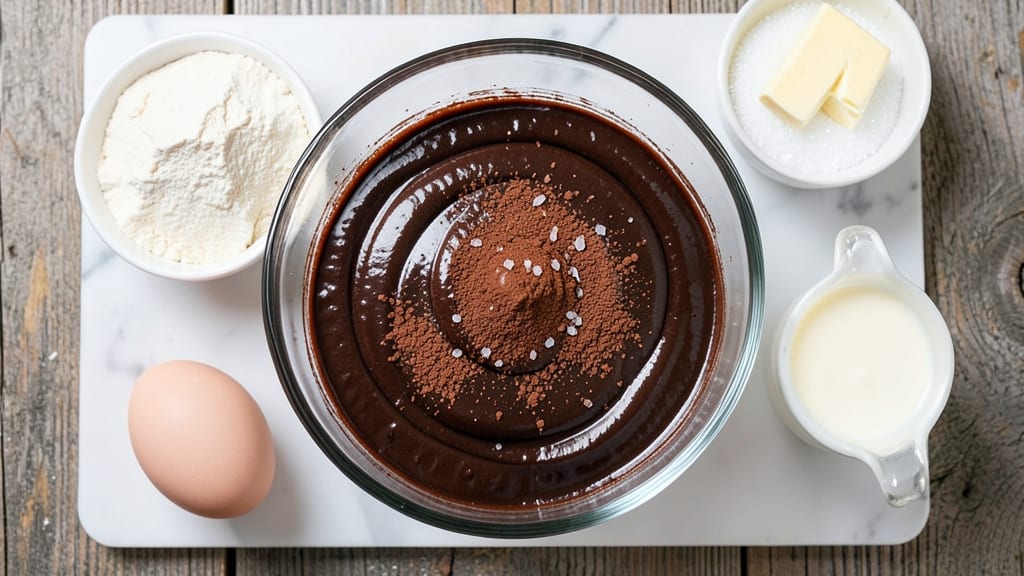
Betty Crocker’s super moist chocolate butter recipe delivers that perfect fudgy-crisp contrast we all crave—rich, velvety layers with just the right bite at the edges. The secret lies in the high butter content and buttermilk, which create a tender crumb that stays moist for days.
I’ve baked this recipe countless times, and it never disappoints, whether as a classic sheet cake or individual cupcakes.
What sets this apart is the balance of ingredients: 1 cup of butter (don’t skimp!) paired with buttermilk for moisture without making the cake dense. The recipe also calls for resting the baked layers before frosting—a critical step that ensures that perfectly moist texture.
No one will guess it’s not from a bakery.
The result is a chocolate cake so tender it melts in your mouth, with a slight crispness at the edges that adds just enough texture. Serve it with whipped cream, a dusting of cocoa powder, or a simple glaze for that restaurant-quality finish.
This is the kind of dessert that makes every occasion feel special.
Ready in just under an hour, this recipe is ideal for birthdays, holidays, or whenever you need a crowd-pleaser. The frosting options are endless, but the cake itself is foolproof—once you try it, you’ll never go back to dry, crumbly chocolate cake again. Let’s get baking!
Ingredients for betty crocker super moist chocolate butter
High butter content and buttermilk create that legendary moist crumb you crave.
| Ingredient | Amount | Notes |
|---|---|---|
| All-Purpose Flour 🌾 | 2 ½ cups | Sifted for light texture |
| Granulated Sugar 🍚 | 2 cups | White or light brown |
| Unsalted Butter 🧈 | 1 cup | Room temperature, full-fat |
| Buttermilk 🥛 | 1 cup | Fresh or powdered mix |
| Large Eggs 🥚 | 2 whole | Room temperature preferred |
| Cocoa Powder 🍫 | ¾ cup | Dutch-processed for smoothness |
| Baking Soda 🧂 | 1 tsp | Pure, not baking powder |
| Salt 🧂 | ½ tsp | Fine sea salt preferred |
| Vanilla Extract 🌿 | 1 tsp | Pure vanilla preferred |
| Vegetable Oil 🫒 | ½ cup | Light or canola oil |
| Hot Water 💧 | ½ cup | Near boiling for cocoa |
The butter is non-negotiable here—Land O'Lakes or Plugrah are my go-tos for that perfect melt. Grab the full-fat version (none of that light stuff), and let it sit out for 30 minutes before mixing. Buttermilk? Trader Joe's has the best-priced bottle, but powdered mix works in a pinch. The cocoa powder should be Dutch-processed—it's smoother and richer. Hershey's Special Dark is my go-to brand, but any quality brand works. For the eggs, room temperature makes all the difference—they blend in better and give you that perfect crumb. If you're in a hurry, just let them sit out for 10 minutes.
No buttermilk? Mix 1 tbsp vinegar or lemon juice with 1 cup milk—it's a classic swap. Short on butter? Use 2 tbsp less oil and add 2 tbsp more melted butter. The vanilla extract can be imitation, but pure vanilla adds that restaurant-quality depth. For the cocoa, if you only have natural cocoa, reduce by 1 tbsp—it's stronger. The hot water is key for dissolving the cocoa completely, so don't skip it. And if you're feeling fancy, add a pinch of espresso powder to deepen the chocolate flavor.
This batter keeps in the fridge for up to 3 days, covered tightly. For best results, bake the layers and let them cool completely before frosting—at least 1 hour. The cake reheats beautifully in the oven at 300°F for 10 minutes if you want to revive that fresh-baked texture. Store leftovers wrapped in plastic at room temperature for 2 days or freeze for 3 months. I always make extra layers and freeze them—perfect for last-minute celebrations.
Why You'll Love This Recipe
- No Mixer Needed: Mixing this batter is so simple—just a bowl and a whisk. The buttermilk and eggs blend together like magic, and that melted butter? It folds in smoother than you’d expect, even if you’re not a baking pro.
- Butter + Sugar Magic: That rich, creamy butter cut into sugar? It’s the secret to a texture so tender it melts in your mouth. Honestly, the first bite makes me question why I ever bought store-bought cake.
- Weeknight or Party Ready: Bake it for a quick breakfast treat or double the batch for a crowd. The buttermilk keeps it moist for hours, so it’s perfect when you’re feeding teenagers or celebrating a random Tuesday.
- Budget Baking Wins: Flour, sugar, butter—these are pantry staples that won’t break the bank. Plus, the leftovers? They disappear fast, whether you reheat slices or stash them for a lazy morning.
Step-by-step instructions for betty Crocker's super moist chocolate butter recipe
Here's how to nail that legendary fudgy-crisp texture—every layer packed with moisture.
Whisk Dry Ingredients for a Light Batter
In a large mixing bowl, combine the 2.5 cups all-purpose flour, 0.75 cup cocoa powder, 1 teaspoon baking soda, and 0.5 teaspoon salt. Sift everything together to break up any lumps and create a fine, airy base. This step is crucial—those lumps can lead to dense, dry spots in your cake.
Set this bowl aside while you work with the wet ingredients. The reason we sift first is that cocoa powder is dense and can settle heavily, which affects how the cake rises and stays moist. I like to use a fine-mesh sieve for this to ensure everything is perfectly distributed.
Mix Wet Ingredients Until Silky Smooth
In a separate bowl, melt the 1 cup unsalted butter in the microwave for 30-second intervals, stirring between each, until completely smooth. Let it cool slightly but keep it warm enough to blend easily. Add the 2 cups granulated sugar, 1 cup buttermilk, 2 whole large eggs, 1 teaspoon vanilla extract, and 0.5 cup vegetable oil. Whisk vigorously for 2-3 minutes until the mixture is pale and thickened.
This is where the magic starts—the butter and sugar should create a light, creamy foam. If it looks curdled, don't worry; the heat from the hot water later will help smooth it out. The buttermilk adds moisture and tenderness, so make sure it's at room temperature for the best texture.
Combine Wet and Dry Ingredients Gently
Gradually add the dry ingredients to the wet mixture in three parts, folding gently with a spatula after each addition. Start with half the dry ingredients, mix until just combined, then add the remaining half. Overmixing develops gluten, which can make the cake tough. You're looking for a thick, smooth batter with no visible flour streaks.
Once combined, pour in the 0.5 cup hot water and stir until fully incorporated. The hot water activates the cocoa powder and helps create that signature moist, velvety texture. The batter should be thick but pourable—it should coat the back of a spoon but still flow easily.
Bake in Two Layers for Perfect Contrast
Preheat your oven to 350°F. Grease two 8-inch round cake pans and line the bottoms with parchment paper. Divide the batter evenly between the pans, smoothing the tops with a spatula. Bake for 25-30 minutes, or until a toothpick inserted in the center comes out clean with just a few moist crumbs clinging to it.
Don't overbake—this is where the cake can turn dry. The moment the toothpick test passes, pull them out immediately. Let the cakes cool in the pans for 10 minutes, then transfer to a wire rack to cool completely. The contrast between the crisp edges and fudgy center happens during this cooling phase, so patience is key.
Assemble with Buttercream for Ultimate Moisture
While the cakes cool, prepare the buttercream by beating the 1 cup unsalted butter (softened) with 2 cups powdered sugar, 2-3 tablespoons cocoa powder, and 1 teaspoon vanilla extract until light and fluffy. Spread a thin layer of buttercream between the two cake layers, then cover the entire cake with a final layer. Chill for 30 minutes before slicing to let the flavors meld.
This buttercream isn't just decoration—it locks in moisture and adds that signature richness. For extra decadence, dust the top with a little extra cocoa powder or melt some chocolate to drizzle over the sides. Serve at room temperature for the perfect balance of crisp and fudgy in every bite.
Pro Tips For Making Betty Crocker Super Moist Chocolate Butter
- MELT BUTTER SLOWLY: I learned this the hard way—dumping cold butter straight into the mix makes the batter seize up. Instead, warm the butter in the microwave for 10-15 seconds (just until it softens but doesn’t melt completely), then whisk it into the sugar first. This keeps the texture smooth and prevents lumps that turn into dry spots.
- WHISK DRY INGREDIENTS FIRST: Skip the "just toss everything in" approach. Sift the flour and cocoa powder together, then whisk them with the baking powder in the bowl before adding wet ingredients. This cuts down on lumps and guarantees even distribution—no more dense pockets in your cake.
- DON’T OVERMIX THE BATTER: The moment you add the buttermilk and eggs, stop stirring after 10-12 strokes. Overmixing develops gluten, and this recipe relies on a tender crumb. A slightly lumpy batter? That’s normal—and it’s what keeps the cake moist instead of tough.
- BAKE UNTIL TESTER COMES OUT CLEAN: Sure, the recipe says "35-40 minutes," but don’t pull it out just because it looks done. Insert a toothpick into the center—it should come out with a few moist crumbs, not wet batter. If you take it out too soon, the middle stays gummy; if you wait too long, it dries out. Trust the tester, not the timer.
Troubleshooting perfect results
Cake Too Dense
If your cake turns out dense, you likely overmixed the batter or underbaked it. The key is to fold the dry ingredients into the wet mixture in three parts, mixing just until combined.
Overmixing develops gluten, making the cake tough. Also, check your baking time—pull the cake out when a toothpick comes out with moist crumbs (not wet batter). 🌟
Dry or Crumbly Texture
Dry cake often happens when the butter isn’t fully incorporated or the cake is overbaked. Make sure your 1 cup of butter is melted but not too hot—it should be warm enough to blend smoothly.
If your cake still dries out, try adding 1 extra tablespoon of buttermilk or brushing the layers with simple syrup before frosting. Store leftovers in an airtight container with a slice of bread to retain moisture.
Cracked Top or Sinkholes
Cracks or sinkholes usually mean the batter was too thick or the oven temperature fluctuated. For a smoother top, ensure your 2 cups of sugar and 1 cup of butter are fully combined into a light, creamy mixture.
Preheat your oven for at least 15 minutes before baking, and avoid opening the oven door during the first 20 minutes of baking. If cracks still appear, try baking at 325°F instead of 350°F for a slower rise.
Bitter Taste
A bitter flavor often comes from using too much cocoa powder or natural (non-Dutch-processed) cocoa. Stick to 0.75 cup of Dutch-processed cocoa powder (like Hershey’s Special Dark) and avoid substituting with baking cocoa.
If you must use natural cocoa, reduce it to 0.6 cup and add 1 extra tablespoon of sugar to balance the bitterness. Also, ensure your butter and buttermilk are fresh—old dairy can add an off flavor.
Frosting Not Sticking
If your buttercream isn’t adhering to the cake layers, the cake might not be cool enough or the frosting could be too soft. Let the cake layers cool completely (at least 1 hour) before assembling.
For extra grip, spread a thin layer of apricot jam between the layers—it acts as a glue. If your frosting is too warm, chill it in the fridge for 10-15 minutes before using. For a smoother finish, use a bench scraper to spread it evenly.
Uneven Rise
An uneven rise happens when the batter isn’t distributed evenly or the oven heat isn’t consistent. Divide the batter exactly in half between your two 8-inch pans, and tap the pans gently on the counter to remove air bubbles before baking.
If your oven has hot spots, rotate the pans midway through baking. For even better results, use an oven thermometer to confirm your 350°F setting—many ovens run hot or cold.
Nutrition facts
Frequently asked questions
Can I make this recipe with less butter?
The butter is what makes this cake legendary! Using less than 1 cup risks a drier, denser texture. If you must reduce it, swap 2 tablespoons of butter for 2 tablespoons of oil—but expect slightly less richness. For maximum moisture, stick to the full amount.
How do I store leftovers to keep them moist?
Always store in an airtight container with a slice of bread on top to absorb excess moisture. For short-term, keep at room temperature for 2 days. For longer storage, freeze layers (unfrosted) for 3 months—thaw overnight in the fridge before assembling.
What's the best frosting alternative if I don't like buttercream?
Try a chocolate ganache or cream cheese frosting for a lighter option. For ganache, heat 1 cup heavy cream with 8 oz chopped chocolate, then cool slightly before spreading. Both pair beautifully with the cake's rich texture.
Why does the recipe call for hot water?
The hot water activates the cocoa powder for maximum flavor and helps dissolve it completely. It also creates steam during baking, which keeps the cake tender. Use water that's just off the boil—don't scald it, or it may cook the eggs.
Can I make this in a bundt pan instead of round layers?
This recipe works perfectly in a 10-12 cup bundt pan. Reduce baking time to 20-25 minutes and check for doneness 5 minutes early. The bundt shape adds beautiful texture while keeping that signature moistness.