
Desserts
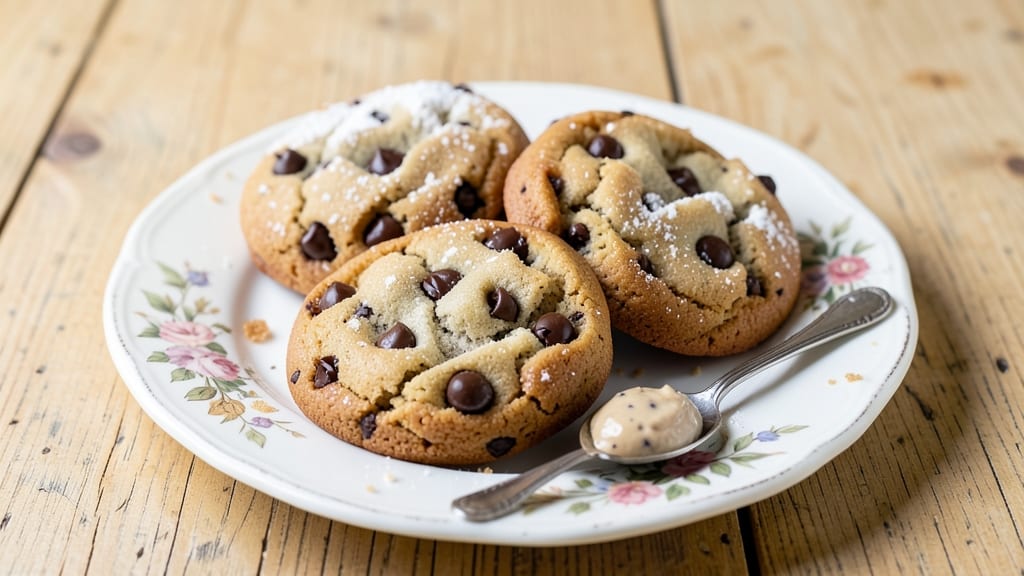
This big fluffy chocolate chip cookie recipe delivers the perfect balance of chewy centers and crispy edges, with cold butter swirls that guarantee maximum texture. I've perfected this method after years of baking, and the secret lies in precise ingredient ratios and proper dough handling—no guesswork, just foolproof results.
The moment you pull them from the oven, golden and fragrant, you'll understand why this recipe becomes a holiday staple every year.
The foundation starts with cold butter cut into the dry ingredients, creating pockets of air that expand during baking for that signature fluffy texture.
I use a mix of brown and white sugar to achieve caramelized edges while maintaining a tender crumb, and the dough rests for 24 hours—this step is non-negotiable for flavor development.
When baked at the right temperature, these cookies spread just enough to form those coveted crisp edges while staying soft inside.
What sets these apart is the cold butter swirl technique, where dollops of chilled butter are pressed into the dough before baking. As they melt, they create pockets of buttery richness that keep the cookies moist and add a subtle crunch.
The chocolate chips stay melty in the center, creating that irresistible pull-apart texture. Each batch yields about 24 cookies, perfect for sharing or stashing for later.
While the classic version is already irresistible, you can customize with add-ins like toasted nuts, sea salt sprinkles, or even a hint of cinnamon. The dough keeps well in the fridge for up to 48 hours, making it ideal for holiday baking.
Once you try these, store-bought cookies will never measure up again—this is the recipe that turns casual bakers into cookie connoisseurs.
Ingredients for big fluffy chocolate chip cookie
Cold butter, precise sugars, and a 24-hour rest—these ingredients transform into cookies with crisp edges and chewy centers.
| Ingredient | Amount | Notes |
|---|---|---|
| Unsalted Butter 🧈 | 1 cup | Cold, cut into cubes |
| Granulated Sugar 🍚 | ¾ cup | White sugar, packed |
| Light Brown Sugar 🍚 | ¾ cup | Packed, unsweetened |
| All-Purpose Flour 🌾 | 2 ½ cups | Spooning and level method |
| Baking Soda 🧂 | 1 tsp | Pure, not baking powder |
| Salt 🧂 | 1 tsp | Diamond Crystal kosher |
| Vanilla Extract 🌿 | 2 tsp | Pure, not imitation |
| Semisweet Chocolate Chips 🍫 | 2 cups | Enjoy Life brand (allergy-friendly) |
| Large Eggs 🥚 | 2 whole | Room temperature |
| Cold Butter (for swirls) 🧈 | ½ cup | Extra cubes for technique |
The butter needs to be cold—cut it into cubes and refrigerate until the dough comes together. European-style butter like Plugrá or Land O'Lakes has higher fat content (82-86%), which gives that signature fluffiness. The sugar ratio matters: brown sugar adds moisture and caramel flavor, while white sugar creates crisp edges. King Arthur or Bob's Red Mill flour work best—they're finely milled and consistent. Measure flour by spooning it into the cup and leveling off; packing it compresses the dough. Chocolate chips? Enjoy Life brand is my go-to for allergy-friendly baking, but any quality chips work. The vanilla extract should be pure—no artificial flavors here.
No vanilla extract? Almond extract at half the amount gives a similar depth, though it has a distinct flavor. Short on brown sugar? Substitute white sugar plus 1 tsp molasses for the moisture. Using a different flour? Add 1 tsp extra flour if your brand is lighter. The dough will be thick—don't overwork it. If your kitchen's warm, chill the dough for 30 minutes before scooping. For the cold butter swirls, use room-temperature butter that's been chilled for 1 hour—it should hold its shape but press easily. Pre-slice the butter into 1-inch cubes for consistency. The chocolate chips can be swapped for chopped nuts or toffee bits if you're feeling adventurous.
Dough keeps for 48 hours in the fridge, wrapped tightly in plastic. For best flavor, let it rest the full 24 hours—this develops the gluten and deepens the sugar caramelization. Scoop cookies onto parchment-lined sheets and bake at 350°F for 10-12 minutes—they'll look underdone, but that's key for the chewy centers. Store baked cookies in an airtight container at room temperature for up to 5 days, or freeze for 3 months. Reheat in the oven for 2-3 minutes at 300°F to restore that fresh-from-the-oven warmth. The cold butter swirls keep the cookies moist for days—trust the process, even if it seems counterintuitive.
Why You'll Love This Recipe
- Here’s what sold me: bake a batch, freeze half, and pull one out for a snack any day. No reheating—just straight from the freezer to the oven, and they’re fresh again. (Yes, even on a Tuesday night.)
- No Mixer Needed: I swear by this—just 5 minutes of creaming butter and sugars with a wooden spoon. No electric mixer, no fuss, and those big, crackly edges? Pure magic from the cold butter and brown sugar combo.
- Melty Magic Core: That crispy-chewy exterior hides a gooey center where the chocolate chips melt just right. Between us, the brown sugar’s caramel notes and the baking soda’s lift make every bite taste like a bakery’s secret.
- Freezer-Friendly Stash: Here’s what sold me: bake a batch, freeze half, and pull one out for a snack any day. No reheating—just straight from the freezer to the oven, and they’re fresh again. (Yes, even on a Tuesday night.)
Step-by-step instructions for big fluffy chocolate chip cookies
Here's the method that delivers bakery-quality texture with cold butter swirls for that perfect chew.
Cream the Butter and Sugars
In a stand mixer fitted with the paddle attachment, combine the 1 cup unsalted butter cut into cubes with the 0.75 cup granulated sugar and 0.75 cup light brown sugar. Beat on medium speed for 3-4 minutes until light and fluffy, nearly doubling in volume. You'll notice the mixture change from pale to a creamy, ribbon-like consistency.
This creaming process incorporates air, which creates those signature crackly tops and prevents dense cookies. Don't rush this step—under-creaming leads to cakey texture instead of the classic chewy center we're after. The butter should be cold but not frozen, so it forms soft peaks when pressed.
Add Eggs and Vanilla
Add the 2 whole large eggs one at a time, mixing on low speed for 30 seconds after each addition until fully incorporated. Then add the 2 teaspoons vanilla extract and mix for another 10 seconds. The mixture might look slightly curdled, but that's normal—the flour will smooth everything out.
Room temperature eggs blend more smoothly than cold ones, so if your eggs are straight from the fridge, let them sit at room temperature for 10-15 minutes before using. This ensures proper emulsification with the butter, giving you that perfect cookie texture.
Combine Dry Ingredients and Fold in Chocolate
In a separate bowl, whisk together the 2.5 cups all-purpose flour, 1 teaspoon baking soda, and 1 teaspoon salt. Gradually add this mixture to the wet ingredients, mixing on low speed for 30-45 seconds until just combined. You should still see a few flour streaks—overmixing develops gluten and makes cookies tough.
Remove the bowl from the mixer and gently fold in the 2 cups semisweet chocolate chips using a silicone spatula. Make sure they're evenly distributed throughout the dough. I like to press the dough together lightly to ensure no dry pockets remain—this guarantees consistent chocolate distribution in every bite.
Prepare the Cold Butter Swirls
Cut the 0.5 cup cold butter reserved for swirls into 8 equal pieces (about 1 tablespoon each). Roll each piece into a 1-inch log and flatten slightly with your palm. These will create the signature swirls that add chewiness and crunch to each cookie.
Chill the dough for 30 minutes while you prepare the baking sheets. This resting period is crucial—it solidifies the butter, prevents excessive spreading, and allows the flour to fully hydrate. The dough should be firm enough to hold its shape when scooped but still pliable.
Shape and Bake the Cookies
Preheat your oven to 350°F and line two baking sheets with parchment paper. Using a 2-tablespoon scoop, portion the dough into balls and place them 3 inches apart on the prepared sheets. Press one cold butter log into the center of each dough ball, then gently swirl it into the dough with your finger.
Bake for 11-13 minutes until the edges are golden brown but the centers still look slightly underdone. They'll continue cooking on the hot baking sheet after removal. Let them cool on the sheet for 5 minutes before transferring to a wire rack. The centers should be soft and slightly gooey when warm—this is the hallmark of perfect texture.
Pro Tips For Making Big Fluffy Chocolate Chip Cookie
- Use Cold Butter, Not Soft: I learned this the hard way—creaming butter and brown sugar at room temperature gives a different texture, but for fluffy, airy cookies, cold butter is non-negotiable. Cut the butter into cubes and let it sit out for just 10-15 minutes until it’s soft enough to press but still holds its shape. This keeps the dough firm enough to hold its shape while baking, so your cookies don’t spread into sad, flat pancakes.
- Don’t Pack the Brown Sugar: Brown sugar is sticky, and if you scoop it straight from the bag into the bowl, you’ll end up with a dense, cakey cookie instead of a fluffy one. Spoon the brown sugar into the measuring cup, then level it off with a knife—don’t press down. The same goes for the flour: scoop and whisk, don’t scoop and pack. Less density = more air = fluffier cookies.
- Bake Until Golden, Not Just Set: The moment your cookies look done is usually when they’re still underbaked. Pull them out when the edges are golden but the centers still look slightly soft—about 1-2 minutes before the recipe’s suggested time. They’ll firm up as they cool, but if you wait for them to be fully set, they’ll turn into dry, chewy hockey pucks. Let them rest on the tray for 5 minutes before moving them.
- Chill the Dough Overnight: This isn’t the prettiest method, but it’s the tastiest. If you can, make the dough the night before and refrigerate it uncovered for 8-12 hours. The cold slows down the gluten development, so your cookies stay soft and chewy instead of tough. Pro move: shape them into balls and freeze them on a tray—then just grab and bake straight from frozen. No waiting, no spreading like crazy.
Serving suggestions for this recipe
Classic Milk Pairing
Warm whole milk at 160°F poured over a freshly baked cookie creates the ultimate contrast—creamy richness against crisp edges. I recommend Organic Valley or Horizon for their smooth, buttery texture. The milk's natural sweetness enhances the caramelized sugar notes while cooling the palate between bites. 🥛
Iced Coffee Accompaniment
Chilled cold brew concentrate mixed with 2 parts milk and 1 part ice complements the cookie's warmth perfectly. Add a splash of vanilla syrup to echo the extract in the dough.
For a festive twist, rim your glass with crushed Oreos—the chocolate bridges both flavors beautifully. A Starbucks Iced Vanilla Latte also works if you're short on time.
Seasonal Fruit Pairings
In summer, sliced peaches or strawberries add freshness—their natural juices cut through the richness. For fall, spiced apple slices with a sprinkle of cinnamon create a cozy pairing. I like to serve cookies with warm apple cider during harvest season, where the cookie's caramelized edges contrast the cider's tartness. 🍏
Warm Spiced Tea
A cup of Earl Grey tea steeped with cinnamon sticks and a splash of heavy cream elevates the cookie experience. The bergamot notes in the tea complement the vanilla and chocolate, while the cream mirrors the butter richness.
For a caffeine-free option, chamomile tea with honey works beautifully—especially with the cold butter swirls still warm from the oven.
Creamy Cheese Plate
For a sophisticated presentation, serve cookies alongside aged cheddar (like Sharp Cheddar from Tillamook), brie, and whipped goat cheese. The salty cheese balances the sweetness, while the creaminess of the brie mirrors the cookie's texture.
Add crackers and dried fruit for a full charcuterie experience that highlights the cookie's versatility. 🧀
Holiday Gift Presentation
Wrap cookies in parchment paper tied with red ribbon and pair with a small jar of homemade caramel sauce for gifting. Include a mini cookie cutter (like a heart or star) and a note suggesting they're best enjoyed with a glass of cold milk.
For a festive touch, add sprinkles or crushed peppermint to the dough before baking—these cookies become instant holiday favorites. 🎄
Nutrition facts
Frequently asked questions
Why does this recipe use cold butter instead of room temperature?
The cold butter creates air pockets that expand during baking, giving those signature fluffy tops and chewy centers. When baked, the butter melts slowly, creating steam that keeps the cookies moist inside while forming crisp edges. Room temperature butter would spread too much, making flat cookies. The cold butter swirls add extra richness and texture that room temp butter can't match!
Can I make these cookies without the 24-hour dough rest?
You can, but your cookies won't be as flavorful! The rest allows the flour to fully hydrate and the gluten to relax, preventing tough cookies. If you're short on time, chill the dough for at least 1 hour before baking. The flavor develops over time, so for best results, stick with the full 24 hours—especially if you're baking for holidays or special occasions.
How do I fix cookies that spread too much?
Over-spreading usually means the butter was too soft or the oven was too hot. For future batches, make sure your butter is properly chilled and preheat your oven for 15-20 minutes before baking. If your oven runs hot, try baking at 325°F instead. Also, use a 2-tablespoon scoop and place cookies 3 inches apart on the baking sheet.
What's the secret to keeping these cookies soft for days?
The cold butter swirls are the key! They melt during baking and create pockets of moisture that keep the cookies tender. Store them in an airtight container at room temperature for up to 5 days. For extra freshness, place a slice of bread in the container—it absorbs moisture and helps maintain softness. Reheat in the oven for 2-3 minutes at 300°F to restore that warm-from-the-oven texture.
Can I substitute butter with oil for a lighter cookie?
You can try, but the texture will be different. Replace the butter with 2/3 cup vegetable oil (or melted coconut oil) and reduce the flour by 2 tablespoons. The cookies will be cakey rather than chewy, and you'll lose the signature crisp edges. For a lighter version, use half butter/half oil—this keeps some of the fluffiness while reducing fat content.