
Desserts
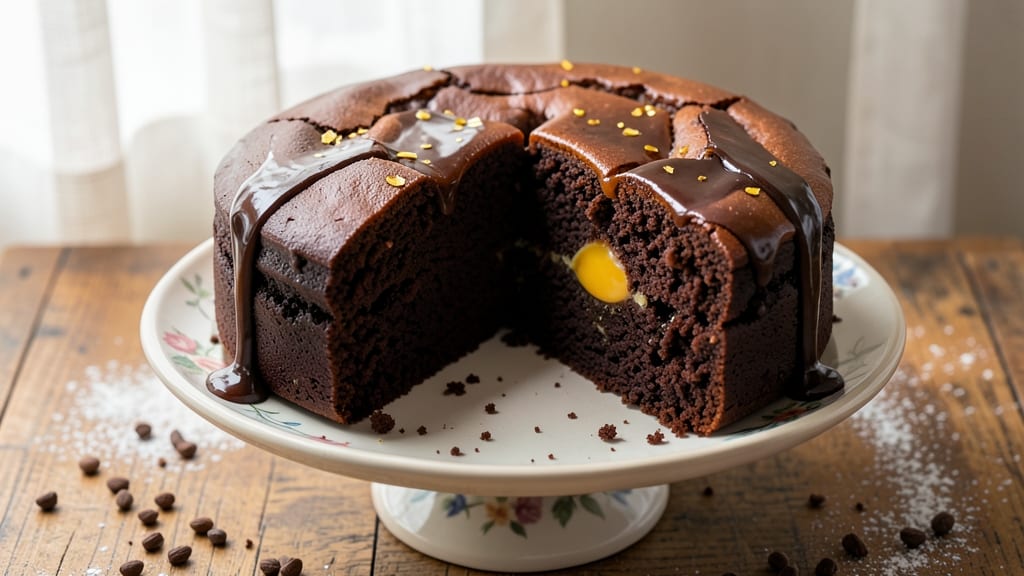
This bizcocho de chocolate recipe delivers the perfect balance of rich cocoa, crispy layers, and velvety coffee-infused ganache that defines Spanish dessert tradition. 💛 The secret lies in its triple-layered structure—each layer baked to a delicate crunch, then bound together with rivers of aromatic ganache that add depth without overpowering the chocolate's natural intensity.
Traditionally served at celebrations like Christmas or birthdays, this cake represents the heart of Spanish patisserie—where texture and flavor harmonize in every bite.
The recipe combines simple ingredients like flour, eggs, and cocoa powder with the signature Spanish touch of espresso powder, creating a dessert that feels both nostalgic and refined. Baking at the right temperature ensures those signature crispy layers while keeping the center moist.
What makes this bizcocho truly special is the coffee-infused ganache, poured between layers and over the top in decorative rivers. This technique not only adds visual appeal but also enhances the chocolate's complexity with a subtle bitterness that balances sweetness.
The result? A cake that's light yet substantial, with every forkful offering a symphony of textures and flavors.
Perfect for special occasions or when you want to impress guests with an authentic Spanish dessert, this recipe brings tradition to your kitchen. The process is straightforward, but the result is anything but ordinary—exactly what makes this cake a staple in Spanish homes and cafés alike.
Ingredients for bizcocho de chocolate
Simple yet refined ingredients transform into Spain's iconic triple-layered chocolate cake with coffee ganache rivers.
| Ingredient | Amount | Notes |
|---|---|---|
| All-Purpose Flour 🌾 | 3 cups | Sifted for light texture |
| Unsalted Butter 🧈 | 1 ½ cups | Room temperature, European preferred |
| Granulated Sugar 🍚 | 2 cups | Superfine preferred for smoothness |
| Large Eggs 🥚 | 6 whole | Room temperature, separated |
| Unsweetened Cocoa Powder 🍫 | ¾ cup | Natural or Dutch-processed |
| Instant Espresso Powder ☕ | 1 tbsp | High-quality for coffee flavor |
| Baking Powder 🧂 | 1 ½ tsp | Aluminum-free preferred |
| Fine Sea Salt 🧂 | ½ tsp | Diamond Crystal preferred |
| Dark Chocolate Bars 🍫 | 12 oz | 70% cocoa, chopped fine |
| Heavy Whipping Cream 🥛 | 1 ½ cups | Cold, full-fat preferred |
| Vanilla Extract 🌿 | 1 tsp | Pure Madagascar preferred |
| Powdered Sugar 🍚 | 2 cups | For dusting layers |
The cocoa powder and espresso powder are the heart of this recipe—Valrhona or Cacao Barry for cocoa ensure deep chocolate flavor without bitterness. For espresso powder, Starbucks Via or Nescafé Azera deliver consistent, intense coffee notes without graininess. The butter should be European-style (like Plugrá or President) for its higher fat content, which creates a richer texture. If using American butter, let it sit at room temperature for at least 2 hours before creaming. The eggs must be separated—room temperature eggs whip to a stiffer meringue, crucial for the cake's signature crisp layers. For the chocolate, Callebaut or Guittard 70% bars melt smoothly and provide that balanced bitterness.
No instant espresso powder? Brew strong coffee and reduce to powder—simmer 1 cup coffee until reduced to 1 tbsp, then let cool and dry in a low oven. Substituting cocoa powder? Natural cocoa works 1:1**, but Dutch-processed adds subtle smoothness. Running short on eggs? Replace 1 egg with 3 tbsp aquafaba for each layer, though texture may vary slightly. For the ganache, cream should be cold**—warm cream can create grainy chocolate. If you prefer a sweeter ganache, add 1 tbsp powdered sugar to the chocolate mixture. The vanilla extract can be omitted, but the coffee's depth will be less nuanced without it.
Store the cake in an airtight container at room temperature for up to 3 days—the layers crisp up beautifully overnight. For longer storage, wrap each layer individually in plastic and refrigerate for up to 5 days. The ganache can be made 2 days ahead and reheated gently before assembly. To serve, dust with powdered sugar just before cutting—this prevents the layers from sticking. Leftovers? Reheat slices in a 200°F oven for 5-7 minutes to restore crispness. Freeze assembled cake (without powdered sugar) for up to 1 month, thawing at room temperature before serving.
Why You'll Love This Recipe
- No Mixer Needed: I swear by this—just cream butter and sugar by hand (or with a fork, no judgment) until it’s light and fluffy. The eggs fold in like butter, and the cocoa powder dissolves smoothly into the batter without lumps. Honestly, it’s the kind of recipe that makes me feel like a baking pro, even when I’m not.
- Rich Without Overpowering: That first bite? Pure chocolate bliss, but not cloyingly sweet. The butter and sugar balance the deep cocoa so well, it’s like a hug for your taste buds. I’ll be real: my kids think it’s cake, but my husband swears it’s better than store-bought—even the fancy kind.
- Weeknight or Celebration: Same batter, endless uses. Bake it in a loaf pan for a quick breakfast or dessert, slice it into squares for a crowd, or even crumble it over ice cream when you’re feeling lazy. Between us, I’ve served it at birthday parties and weekday breakfasts—no one’s ever turned it down.
- Leftovers That Last: This cake keeps beautifully for days, if it lasts that long. The texture stays moist, and the flavor only gets better as it sits. I make a double batch on Sundays because it’s my go-to for lunchboxes, coffee breaks, or when I need a dessert that won’t go to waste. Budget-friendly? Absolutely. Worth it? Always.
Step-by-step instructions for triple-layered chocolate cake
Master this Spanish classic with precise technique for perfect layers and silky ganache.
👨🍳 Step 1: Prepare the Coffee-Infused Cake Batter
Preheat your oven to 350°F and grease three 9-inch round cake pans with butter, then line the bottoms with parchment paper. In a medium bowl, whisk together the 3 cups all-purpose flour, 1.5 tsp baking powder, and 0.5 tsp fine sea salt. Sift the mixture to remove any lumps and set aside.
In a stand mixer fitted with the paddle attachment, cream the 1.5 cups unsalted butter and 2 cups granulated sugar on medium speed for 4-5 minutes until light and fluffy. Add the 6 whole large eggs one at a time, mixing well after each addition. In a separate bowl, dissolve the 1 tbsp instant espresso powder in 2 tablespoons hot water to create a smooth paste. Add this to the butter mixture along with the 0.75 cup unsweetened cocoa powder, 1 tsp vanilla extract, and the dry ingredients. Mix on low speed just until combined—overmixing develops gluten and makes the cake dense.
🍳 Step 2: Bake the Layers Evenly
Divide the batter evenly among the prepared cake pans. Tap each pan gently on the counter to remove any air bubbles. Bake for 25-30 minutes or until a toothpick inserted into the center comes out clean. The edges should be set but the tops should still look slightly soft. Rotate the pans halfway through baking for even browning.
Let the cakes cool in their pans for 10 minutes before transferring to a wire rack to cool completely. This gradual cooling prevents cracking. Once fully cooled, level the tops if needed using a serrated knife—this ensures even ganache distribution later.
🥘 Step 3: Create the Coffee Ganache Rivers
Chop the 12 oz dark chocolate bars into small pieces and place in a heatproof bowl. In a small saucepan, heat the 1.5 cups heavy whipping cream over medium heat until it just begins to simmer. Pour the hot cream over the chocolate and let it sit for 2 minutes before stirring gently until smooth. Add the 1 tbsp instant espresso powder and stir until fully incorporated. Let the ganache cool to 90°F (it should thicken slightly but still be pourable).
Place one cake layer on a serving plate and spread a thin layer of ganache over the top. Repeat with the second layer, then pour the remaining ganache over the top layer in a zigzag pattern. Use an offset spatula to create decorative "rivers" by dragging the ganache across the cake. Dust the entire cake with the 2 cups powdered sugar using a fine-mesh sieve for a snowy finish.
⏰ Step 4: Chill and Serve
Refrigerate the cake for at least 4 hours (or overnight) to allow the ganache to set completely. This chilling time is crucial—it transforms the ganache from a glossy coating to a firm, fudge-like layer that holds its shape when sliced. The cake should be served cold for the best texture contrast between the moist cake and the rich ganache.
When ready to serve, slice with a hot knife (dip the blade in hot water and wipe dry between cuts) for clean edges. Each slice should reveal layers of tender cake separated by rivers of glossy, coffee-infused ganache. Serve with a dusting of additional powdered sugar and a strong espresso on the side to enhance the coffee notes.
Pro Tips For Making Bizcocho De Chocolate
- Melt Butter Slowly: The first time I rushed this, the butter seized up and left greasy streaks in the batter. Warm it in a saucepan over low heat—just until it melts completely and smells nutty. No need to boil it, just let it sit until it’s smooth, then cool it slightly before mixing.
- Sift That Cocoa: I used to just dump the cocoa powder in, and the batter turned lumpy. Sift it first—especially if your powder is clumpy—and mix it with a little sugar before adding to the wet ingredients. This keeps the texture light and prevents sinking in the middle.
- Don’t Overmix the Batter: After burning three batches with dense, tough cake, I learned to mix just until combined. Overmixing develops the gluten, and this recipe relies on a tender crumb. Stop when the flour is barely incorporated—lumps are fine, as long as they disappear when baked.
- Bake Until Springy: The cake’s done when the edges pull away from the pan and a toothpick comes out with moist crumbs, not wet batter. If you pull it out too soon, it’ll stay gummy inside. Let it cool in the pan for 5 minutes first—this keeps it from collapsing.
Wine and beer pairings for this dish
Spanish Red Wine
This cake’s deep chocolate and coffee flavors pair beautifully with a Spanish Rioja Reserva—look for Tempranillo-based wines with 12-18 months of oak aging. The wine’s earthy notes and subtle vanilla from the barrels complement the espresso powder without overpowering the chocolate.
I recommend Muga Reserva or La Rioja Alta 904 for their balance of fruit and structure. Serve slightly chilled to enhance the wine’s acidity against the cake’s richness. 🍷
Italian Espresso
A strong Italian espresso (like Lavazza Qualità Rossa or Illy Classico) is the classic companion to bizcocho de chocolate. The bold, slightly bitter notes mirror the coffee in the ganache, creating a cohesive flavor experience.
For an extra touch, serve the espresso after the cake—its intensity cuts through the sweetness beautifully. If you prefer a longer sip, a ristretto (shorter pull) intensifies the coffee’s depth without bitterness.
Portuguese Vinho Do Porto
For a decadent twist, pair with a Ruby Port like Graham’s Six Grapes or Dow’s Late Bottled Vintage. The dark fruit and chocolate undertones in the port harmonize with the cake’s ganache rivers, while its sweetness balances the cake’s slight bitterness.
Serve the port slightly warmed (about 65°F) to release its aromatic complexity. This pairing feels luxurious and is perfect for special occasions. 🥂
Light Beer Options
If you prefer beer, a Spanish lager like Estrella Galicia or Alhambra Reserva works surprisingly well. Their crisp, clean profiles cleanse the palate between bites of rich cake.
For a darker option, try a Belgian Dubbel (like Westmalle Trappist)—its caramel and spice notes add another layer of depth to the chocolate-coffee duo. Avoid heavy IPAs or stouts, which can clash with the cake’s delicate texture.
Coffee Liqueur
For a dessert-focused pairing, serve a small glass of Kahlúa or Tía María alongside the cake. The vanilla and coffee notes in these liqueurs echo the cake’s flavors, creating a harmonious finish.
Drizzle a tiny amount over the cake before serving for an elegant touch. This pairing is ideal for coffee lovers who want to extend the dessert’s experience with every sip. ☕
Nutrition facts
Frequently asked questions
Why does this bizcocho recipe use both cocoa powder and espresso powder?
The combination creates a perfect balance of flavors—cocoa powder delivers deep chocolate richness while espresso powder adds a subtle bitterness that enhances the overall complexity. Together, they mimic the classic Spanish tradition of pairing chocolate with coffee, creating that signature velvety depth without overpowering sweetness.
Can I substitute regular chocolate for the dark chocolate bars in the ganache?
For the best results, use 70% dark chocolate—it provides the perfect balance of bitterness and sweetness that complements the coffee notes. If you must use milk or semi-sweet chocolate, reduce the sugar in the cake batter by 1 tablespoon to prevent the ganache from becoming too sweet.
How do I fix cracks in my bizcocho layers?
Cracks usually happen when the cake cools too quickly or is overmixed. To prevent them, let the layers cool gradually in their pans for 10 minutes before removing. If cracks appear, simply fill them with extra ganache before dusting with powdered sugar—they'll disappear in the final presentation!
Can I make this cake in a single layer instead of triple?
Yes! For a single-layer version, use one 9-inch pan and reduce the baking time to 20-25 minutes. The ganache technique remains the same—just pour it over the top and dust with powdered sugar. This works well for smaller gatherings or when you prefer a simpler presentation.
Why does my ganache turn grainy?
Grainy ganache usually means the cream was too hot when poured over the chocolate or the chocolate wasn't chopped finely enough. Always use simmering (not boiling) cream and ensure chocolate pieces are smaller than a pea. Let the ganache sit undisturbed for 2 minutes before stirring for a perfectly smooth texture.