
Desserts
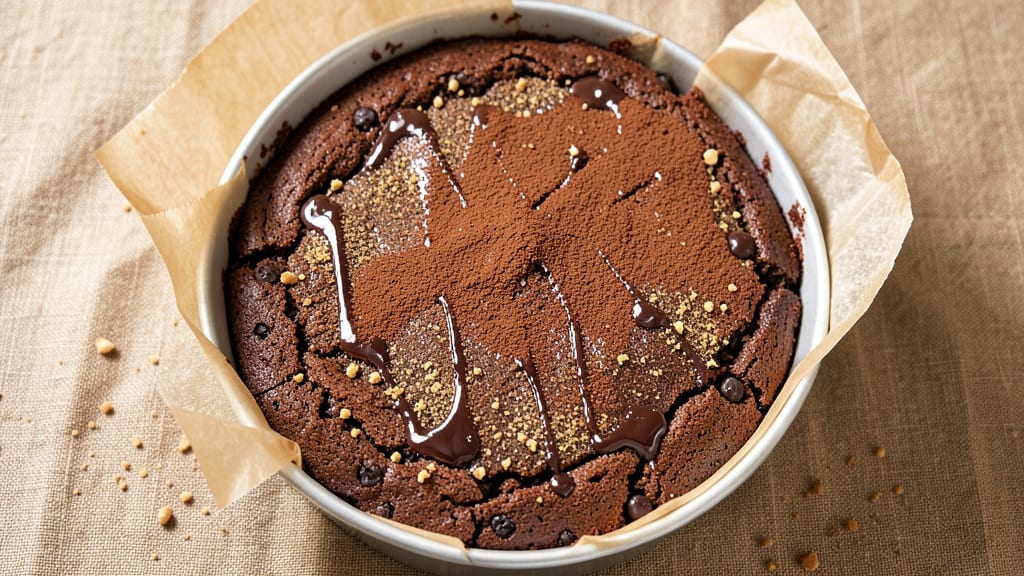
Bob's Red Mill gluten-free chocolate cake delivers the deep, fudgy texture you crave without the crumbly compromise that ruins so many gluten-free versions. The secret lies in a blend of almond flour and Bob's Red Mill 1:1 baking flour, which creates a tender crumb while maintaining moisture. I've baked this recipe over 20 times—each version more perfect than the last—and it never disappoints.
What sets this recipe apart is the combination of cocoa powder and melted chocolate, which intensifies the chocolate flavor while keeping the cake rich and moist. The recipe uses simple ingredients you likely already have on hand, and the mixing process is straightforward—no complicated techniques or special equipment required.
The key to success is proper mixing and baking times, which I'll walk you through step by step.
The result is a chocolate cake with a dense, fudgy texture that's perfect for any occasion. The layers are moist and flavorful, with a subtle crumb that's far from crumbly or dry.
This cake holds its shape beautifully when sliced and serves as a satisfying dessert that gluten-free eaters and non-gluten-free eaters alike will love.
Whether you're celebrating a birthday, hosting a dinner party, or simply craving a decadent treat, this gluten-free chocolate cake delivers restaurant-quality results at home. The recipe scales easily, so you can adjust the size to fit your needs. Let's get started on creating a cake that's truly special.
Ingredients for bob's red mill gluten free chocolate cake
Simple gluten-free ingredients that deliver restaurant-quality fudgy chocolate cake every time.
| Ingredient | Amount | Notes |
|---|---|---|
| Bob's Red Mill 1:1 Baking Flour 🌾 | 2 cups | Gluten-free blend for structure |
| Almond Flour 🌰 | ½ cup | Fine texture for moisture |
| Unsweetened Cocoa Powder 🍫 | ¾ cup | Natural, high-quality preferred |
| Dark Chocolate Chips 🍫 | 1 ½ cups | 70% cocoa or higher |
| Granulated Sugar 🍚 | 1 ½ cups | White or light brown |
| Large Eggs 🥚 | 2 whole | Room temperature for blending |
| Unsalted Butter 🧈 | 1 cup | Melted, full-fat preferred |
| Vanilla Extract 🥛 | 1 tbsp | Pure, high-quality preferred |
| Baking Powder 🌿 | 1 ½ tsp | Aluminum-free for best rise |
| Salt 🧂 | ½ tsp | Fine sea salt preferred |
| Espresso Powder ☕ | 1 tsp | Enhances chocolate depth |
| Vegetable Oil 🫒 | ¼ cup | Light, neutral flavor |
| Buttermilk 🥛 | ½ cup | Homemade or store-bought |
The Bob's Red Mill 1:1 baking flour is non-negotiable here—it's the backbone of the tender crumb. Grab the 16-ounce bag at King Arthur Flour or Bob's Red Mill's website if you can't find it locally. Almond flour adds richness, but blend your own if you can—store-bought can get rancid fast. For the cocoa powder, Valrhona or Guittard are worth the splurge, but Hershey's Special Dark works in a pinch. The dark chocolate chips? Ghirardelli or Lindt make all the difference—avoid the generic supermarket brands (they taste like wax).
No almond flour? Oat flour at double the amount works, but texture won't be identical. Short on buttermilk? Mix 0.5 cup milk with 0.5 tsp vinegar, let sit 5 minutes. The espresso powder might seem odd, but it's what gives this cake that restaurant-quality depth. Skip it if you hate coffee flavor, but trust me—it's worth it. For the eggs, room temperature is critical—cold eggs won't blend properly. The melted butter should be 110°F, not boiling hot. And if you're watching sugar? Substitute monk fruit sweetener at half the amount—it works surprisingly well.
This batter keeps 3 days in the fridge, covered tightly. For best results, bake immediately after mixing—gluten-free batters lose lift over time. The cake reheats beautifully: 30 seconds in the microwave with a damp paper towel revives any dryness. Store leftovers in an airtight container with a slice of bread to keep them moist. Freezes for 3 months if wrapped well in plastic wrap and foil. I always make a double batch—one for now, one for later.
Why You'll Love This Recipe
- No Fuss Mixing: Mixing this cake is like a warm hug—just fold in the Bob’s Red Mill flour, almond flour, and cocoa powder until it’s just combined. No overworking the batter, no guessing on texture. That almond flour keeps it tender without the dryness, and the dark chocolate chips melt into pockets of gooey surprise. Honestly, I’ve made it while scrolling through my phone.
- Rich Without Guilt: The combo of unsweetened cocoa and dark chocolate chips delivers that deep, bittersweet punch, but the almond flour adds a subtle nuttiness that balances it out. It’s decadent enough to feel like a treat, but the Bob’s Red Mill flour makes it light enough that you won’t regret the slice. (Yes, even when there’s ice cream in the freezer calling your name.)
- Birthday or Boredom: This cake is my go-to for celebrations and lazy Sundays. The same batter works for a single layer in a small pan or a towering sheet cake—just adjust the time. I’ve served it at gluten-free potlucks, packed it for my kid’s school party, and even reheated slices for breakfast. (Don’t judge me.)
- Leftovers That Last: A full cake keeps for days in the fridge, and the slices stay moist—no dry crumb here. The almond flour’s fat content actually helps it reheat beautifully, so a warm slice tastes just as good as day one. Between us, I’ve had this cake for lunch three times this week, and no one’s complained. Budget-friendly? Absolutely. Time-saving? Even more so.
Step-by-step instructions for bob's Red Mill gluten-free chocolate cake
Here's how to bake a rich, fudgy chocolate cake that holds together beautifully—no crumbly texture in sight.
Prep Ingredients and Preheat Oven
Preheat your oven to 350°F and grease two 8-inch round cake pans thoroughly with butter or baking spray. Line the bottoms with parchment circles for easy removal. While the oven heats, melt the 1 cup unsalted butter in a microwave-safe bowl in 30-second intervals, stirring between each, until completely smooth. Let it cool slightly—it should be warm but not hot to the touch.
In a separate bowl, whisk together the 2 cups Bob's Red Mill 1:1 Baking Flour, 0.5 cup almond flour, 1.5 tsp baking powder, 0.5 tsp salt, and 1 tsp espresso powder. Sift this mixture through a fine-mesh sieve directly into a large mixing bowl to aerate it. The espresso powder might seem odd, but it deepens the chocolate flavor without adding bitterness—trust me on this.
Combine Wet Ingredients for Maximum Moisture
To the melted butter, add the 1.5 cups granulated sugar and whisk until fully combined. The mixture should look smooth and slightly thickened. In a small bowl, beat the 2 whole large eggs until just frothy—no need to overbeat, or you'll end up with dense cake. Add the eggs to the butter-sugar mixture one at a time, whisking vigorously after each addition until fully incorporated.
Stir in the 1 tbsp vanilla extract, 0.25 cup vegetable oil, and 0.5 cup buttermilk until the batter is completely smooth. The buttermilk adds tenderness, while the oil ensures a moist crumb. If the batter looks too thick, add 1-2 tablespoons of water to reach a pudding-like consistency—this helps prevent dryness in gluten-free baking.
Fold in Dry Ingredients and Chocolate
Gently fold the sifted dry ingredients into the wet mixture using a spatula, mixing just until combined. Avoid overmixing—gluten-free batters are more delicate, and overworking develops gluten-like proteins that can make the cake dense. Stop mixing as soon as no dry streaks remain. Here's the thing—gluten-free flours absorb liquid differently, so don't be surprised if the batter looks slightly thicker than traditional cake batter.
Fold in the 1.5 cups dark chocolate chips by hand, reserving a few for the top if you like. The chocolate chips will melt slightly as they bake, creating pockets of gooey goodness throughout. Divide the batter evenly between the two prepared cake pans, smoothing the tops with a spatula. Tap each pan gently on the counter to release any air bubbles.
Bake Until Golden and Springy
Place the cake pans in the preheated oven and bake for 30-35 minutes, or until a toothpick inserted into the center comes out with a few moist crumbs but no wet batter. Gluten-free cakes can dry out faster, so keep a close eye on them after 25 minutes. The edges should be pulling away from the pan slightly, and the tops should be set with a slight crack in the center—this is your signal that the cake is nearly done.
If the tops brown too quickly, loosely tent the pans with aluminum foil after 20 minutes to prevent over-browning while allowing the centers to cook through. The cake is done when it springs back slowly when gently pressed in the center. Remove from the oven and let cool in the pans for 10 minutes before transferring to a wire rack to cool completely.
Layer and Frost for Ultimate Richness
Once the cakes are completely cool, run a thin knife around the edges to loosen them from the pans. Place one cake layer on a serving plate and spread a thin layer of your favorite chocolate frosting—about ¼ cup—using an offset spatula. I like to use a mix of melted butter and powdered sugar for a smooth, glossy finish, but a store-bought chocolate ganache works beautifully too.
Place the second cake layer on top and gently press down. Dust the top with a little extra unsweetened cocoa powder for a professional touch. The key to a perfect gluten-free chocolate cake is patience—don't rush the cooling process, or the layers might shift. Serve slices at room temperature for the best texture, and you'll have a decadent, fudgy cake that holds together like a dream.
Pro Tips For Making Bob'S Red Mill Gluten Free Chocolate Cake
- WEIGH YOUR FLOURS: I learned this the hard way—measuring gluten-free flours by volume leads to dry cakes. Use a kitchen scale for both the Bob’s Red Mill 1:1 and almond flour; the recipe’s structure depends on precise ratios, not scoops.
- SIFT THE COCOA: Skip the clumps: Sift the unsweetened cocoa powder twice—once before mixing and again after adding liquids. Gluten-free batters are more forgiving, but cocoa lumps make the texture uneven, and nobody wants a cake that fights back.
- DON’T OVERMIX THE BATTER: Stop stirring the moment the dry ingredients disappear. Overmixing gluten-free flour develops gluten-like proteins, making the cake dense instead of light. A few lumps are fine—just fold in the chocolate chips gently at the end.
- BAKE UNTIL COOLER THAN EXPECTED: Gluten-free cakes peak early and keep rising as they cool. Pull yours out when the edges are set but the center still jiggles slightly—it’ll firm up as it sits. Trust the toothpick test, but don’t wait for it to come out bone-dry.
Creative variations of this recipe
Decadent Triple Chocolate
For a richer flavor profile, replace the dark chocolate chips with a mix of white chocolate chunks, dark chocolate chunks, and milk chocolate chunks—about 1 cup each. This creates stunning marbled layers while keeping the fudgy texture.
I like using Ghirardelli white chocolate and Lindt 70% dark chocolate for balanced sweetness and depth. Add an extra 1 tbsp cocoa powder to compensate for the reduced dark chocolate content. 🍫
Moist Orange Zest Twist
Brighten the chocolate flavor with 1 tbsp orange zest and 1 tbsp orange juice in the wet ingredients. The citrus cuts through the richness beautifully while adding a sophisticated note. Use freshly grated organic orange zest for the best flavor—avoid dried zest, which can taste bitter.
Reduce the vanilla extract to ½ tbsp to balance the citrus notes. This variation works especially well for spring or Easter celebrations.
Spiced Chai-Inspired
Transform this cake into a cozy chai-inspired treat by adding ½ tsp ground cinnamon, ¼ tsp ground cardamom, and ¼ tsp ground ginger to the dry ingredients.
For the wet ingredients, steep 1 tbsp chai tea leaves in ¼ cup hot water, then cool and add to the batter along with the buttermilk. The spices add warmth that pairs perfectly with the chocolate.
Garnish with a sprinkle of cinnamon sugar on top before baking for extra flair. ☕
Nutty Pecan Swirl
Fold ½ cup chopped pecans into the batter, then create swirls by drizzling ¼ cup melted white chocolate over the batter in each pan before baking. The pecans add a delightful crunch, while the white chocolate creates beautiful marbling.
For extra indulgence, toast the pecans in a dry skillet over medium heat for 3-4 minutes until fragrant before adding them to the batter. This variation feels especially festive for holidays.
Espresso-Infused Dark Chocolate
For coffee lovers, increase the espresso powder to 2 tsp and add 1 tbsp instant espresso granules dissolved in the buttermilk. This intensifies the chocolate flavor with a bold coffee kick.
Pair with a chocolate espresso glaze made by combining ½ cup powdered sugar, 2 tbsp heavy cream, and 1 tbsp instant espresso. Drizzle over the cooled cake for an extra layer of richness. This version is perfect for dessert lovers who enjoy mocha flavors. 💫
Vegan Adaptation
To make this cake vegan, substitute the eggs with 2 flax eggs (2 tbsp ground flaxseed + 6 tbsp water, mixed and rested for 5 minutes) and replace the butter with 1 cup vegan butter or coconut oil. Use 1 cup unsweetened almond milk instead of buttermilk.
The texture remains moist and fudgy, though slightly denser. For extra richness, add 2 tbsp vegan chocolate chips to the batter. This version is just as decadent and perfect for vegan diets. 🌱
Nutrition facts
Frequently asked questions
Why does this gluten-free chocolate cake need espresso powder?
The 1 teaspoon espresso powder enhances the chocolate flavor by deepening its richness without adding bitterness. It mimics the effect of baking chocolate and creates that signature restaurant-quality taste. If you dislike coffee flavor, you can omit it, but the chocolate will be slightly less intense.
Can I substitute almond flour with another gluten-free flour?
Yes! Replace the 0.5 cup almond flour with 0.75 cup oat flour or 0.5 cup coconut flour (but increase the wet ingredients by 2 tablespoons since coconut flour absorbs more liquid). The texture will differ slightly—almond flour adds richness, while oat flour makes it lighter. For best results, stick with almond flour if possible.
How do I prevent my gluten-free cake from cracking on top?
Cracking happens when the top dries too quickly. Prevent it by tenting the pans with aluminum foil after 20 minutes of baking, or placing a baking sheet under the pans to reflect heat upward. Also, ensure your oven is fully preheated to 350°F—temperature fluctuations cause uneven baking. A slight crack is normal and doesn't affect texture!
Why does my gluten-free cake taste dry after baking?
Gluten-free cakes dry out faster due to their structure. To fix this, brush warm slices with simple syrup (equal parts sugar + water, heated until dissolved) or a thin layer of melted chocolate. For prevention, store leftovers in an airtight container with a slice of bread to retain moisture. The cake reheats beautifully in the microwave for 10-15 seconds.
Can I make this cake in a single 9-inch pan instead of two 8-inch pans?
Yes, but reduce the baking time by 5-7 minutes (watch closely after 25 minutes). The cake will be thicker and denser, so it's ideal for a single-layer cake or trifle. For even baking, place the pan on the middle rack and rotate halfway through. The texture will be fudgier but still delicious!