
Beverages
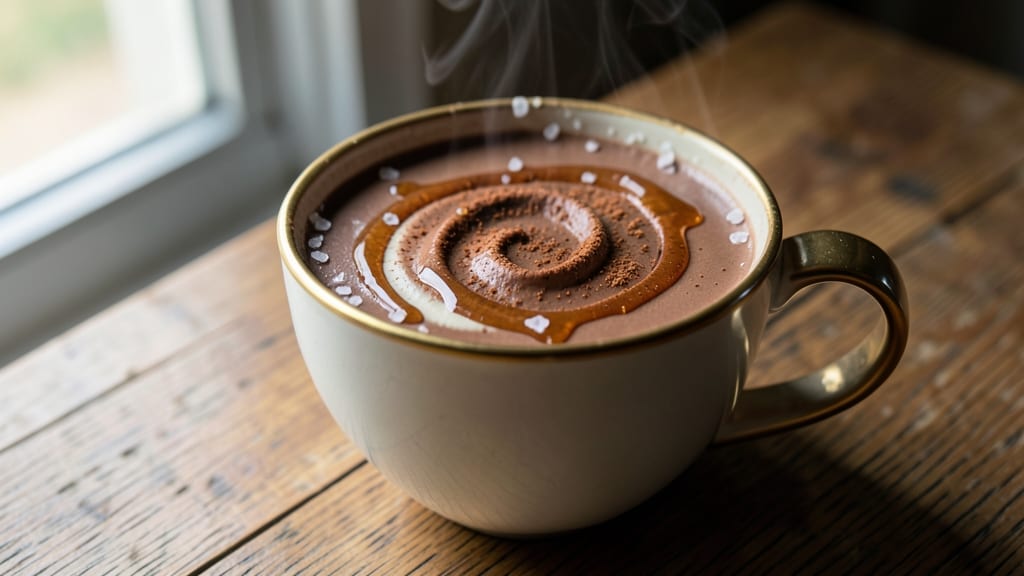
This cacao paste hot chocolate recipe transforms raw cacao into a velvety, bitterness-free elixir that tastes like a cross between Mexican hot chocolate and Swiss fondue.
The secret lies in blending cacao paste with warm liquids and a touch of sweetener, creating a rich, complex flavor profile without the graininess of cocoa powder. I developed this version after years of experimenting with cacao paste—it's the perfect balance of earthy depth and smooth indulgence.
The beauty of cacao paste is its versatility—this recipe works as both a comforting beverage and a cooking ingredient. For the drink, simply whisk cacao paste into warm milk (or water for a lighter version) with vanilla and cinnamon, then adjust sweetness to taste.
The result is a chocolate that's creamy yet vibrant, with none of the chalky aftertaste you sometimes get from powdered chocolate. What makes this recipe truly special is how it elevates simple ingredients into something extraordinary.
What you'll end up with is a hot chocolate that's rich enough to satisfy chocolate cravings but light enough to sip all day. The cacao paste provides a depth of flavor that's impossible with pre-made mixes, while the spices add warmth without overpowering.
This recipe also doubles as a base for sauces, desserts, or even savory dishes—think chocolate-glazed mushrooms or spiced chocolate rice pudding. The possibilities are endless once you master this foundational technique.
Store the cacao paste itself in an airtight container for up to 6 months, or refrigerate the finished hot chocolate mixture for 3 days. The paste keeps beautifully, making this a recipe you can prepare in bulk for quick comfort on busy days.
Whether you're treating yourself to a cozy evening or adding chocolate depth to recipes, this method delivers professional-quality results with minimal effort.
Ingredients for cacao paste hot chocolate
Eight simple ingredients transform raw cacao into velvety hot chocolate without bitterness or graininess.
| Ingredient | Amount | Notes |
|---|---|---|
| Cacao Paste 🍫 | ½ cup | Raw, unsweetened cacao paste |
| Unsweetened Almond Milk 🥛 | 2 cups | Warm, not boiling |
| Pure Maple Syrup 🍯 | ¼ cup | Grade B for richer flavor |
| Pure Vanilla Extract 🌿 | 1 tsp | High-quality, Madagascar bourbon |
| Ground Cinnamon 🌶️ | ½ tsp | Freshly ground preferred |
| Pinch of Sea Salt 🧂 | ⅛ tsp | Enhances chocolate depth |
| Coconut Oil 🫒 | 1 tbsp | For extra creaminess |
| Pinch of Cayenne Pepper 🔥 | 0.06 tsp | Optional for subtle heat |
The cacao paste is the star—look for raw, unsweetened paste at specialty grocery stores like Whole Foods or online retailers. Brands like Navitas Organics or Lake Champlain Chocolates offer high-quality options. For the best flavor, avoid pre-sweetened versions—you control the sweetness here. The almond milk should be unsweetened to prevent overpowering the chocolate's depth. Store your cacao paste in an airtight container away from light to preserve its rich flavor for months.
No almond milk? Oat milk or cashew milk work beautifully—just warm them to the same temperature. Prefer a sweeter version? Date syrup or agave nectar can replace maple syrup, though maple's caramel notes complement the cacao perfectly. The vanilla extract should be pure, nothing imitation—Madagascar bourbon vanilla adds complexity. For a smokier profile, swap cinnamon for smoked paprika at half the amount. The coconut oil isn't mandatory but elevates creaminess—skip it if you're sensitive to coconut flavor.
This hot chocolate keeps beautifully—refrigerate for up to 3 days or freeze portions for 3 months. For single servings, store in ice cube trays before transferring. The cacao paste itself lasts 6 months in a cool, dark place. Double the recipe for batch prep—it reheats perfectly and makes an excellent base for desserts like chocolate mousse or spiced chocolate pudding. The mixture thickens as it cools, so whisk vigorously before each use for the smoothest texture.
Why You'll Love This Recipe
- I’ll be real: cacao paste isn’t cheap, but a little goes a long way. This recipe stretches to feed two (or three, if you’re like me) and keeps beautifully in the fridge for days. Just reheat with a splash of almond milk, and you’ve got an instant mood booster. No wasted ingredients, no last-minute grocery runs—just pure, satisfying hot chocolate that doesn’t break the bank.
- No-Mess Magic: I swear by this recipe because it’s the kind of hot chocolate that requires nothing but a pot and a whisk. Just toss in the cacao paste, warm the almond milk, stir in the maple syrup—boom. No clumpy powder, no measuring spoons of mystery mix. The cacao paste melts like a dream, leaving you with that velvety, restaurant-quality texture without the fuss.
- Rich Without Guilt: Here’s what sold me—the depth of flavor. The cacao paste isn’t just chocolate; it’s real cacao, with that bittersweet complexity that makes every sip feel luxurious. Pair it with the warm, caramel notes of maple syrup and a whisper of vanilla, and suddenly, you’ve got a drink that’s indulgent but still clean. (Yes, even on a Tuesday night.)
- Crowd-Pleaser Flex: This recipe works everywhere. Need a cozy night in? Done. Hosting a book club? Done. Even my picky teenage nephew asks for seconds—though he’ll never admit it. The cinnamon adds this subtle warmth that makes it feel special, whether you’re sipping it solo or serving it to a houseful of guests.
Step-by-step instructions for rich cacao paste hot chocolate
This method transforms raw cacao paste into velvety hot chocolate with depth and balance.
Warm the Almond Milk Gently
Pour the 2 cups unsweetened almond milk into a medium saucepan over medium-low heat. Warm it until small bubbles form around the edges and the milk reaches 160°F—just below boiling. You'll see steam rise steadily but shouldn't hear aggressive bubbling. Stir occasionally to prevent scorching, which would impart bitter flavors. The milk should feel warm to the touch but not scalding.
This gentle warming preserves the milk's natural sweetness while preventing curdling when combined with the cacao paste later. If you prefer frothier hot chocolate, whisk vigorously for 30 seconds at the end of this step to create air bubbles.
Melt the Cacao Paste and Coconut Oil
In a separate small saucepan, combine the 0.5 cup cacao paste and 1 tablespoon coconut oil over low heat. Stir constantly with a heatproof spatula until fully melted—this should take about 3-4 minutes. You'll notice the mixture transform from thick chunks to a smooth, glossy paste with a deep chocolate aroma. The cacao paste will darken slightly as it releases its natural oils.
Remove from heat immediately once melted to prevent overheating, which can make the chocolate taste bitter. The melted mixture should be 100°F or slightly warmer—just warm enough to blend seamlessly with the milk without shocking it.
Combine and Sweeten
Pour the melted cacao mixture into the warm almond milk while whisking continuously. This prevents the chocolate from seizing up. Immediately add the 0.25 cup pure maple syrup, 1 teaspoon pure vanilla extract, 0.5 teaspoon ground cinnamon, 0.125 teaspoon sea salt, and 0.0625 teaspoon cayenne pepper. The cayenne is optional but adds subtle warmth that balances the richness.
Whisk vigorously for 1-2 minutes until the mixture becomes smooth and glossy. You'll notice the color deepen to a rich, velvety brown. The salt enhances the chocolate flavor, while the cinnamon and cayenne add complexity without overpowering.
Simmer for Depth of Flavor
Return the saucepan to low heat and let it simmer gently for 5-7 minutes, stirring occasionally. You're looking for the mixture to thicken slightly and develop a smooth, syrupy consistency—it should coat the back of a spoon but still be pourable. The heat helps integrate all the flavors while reducing any excess moisture.
Taste and adjust sweetness if needed—add more maple syrup if the chocolate tastes too bitter, or a pinch more salt if it needs more depth. The final texture should be thick but drinkable, with a luxurious mouthfeel that clings to the tongue.
Serve Immediately for Best Texture
Divide the hot chocolate among 4 mugs, filling each about ¾ full. The drink should be steaming but not boiling—ideal for sipping. Garnish with a sprinkle of cinnamon or a dollop of whipped coconut cream if desired. Serve with a dark chocolate shaving on top for an elegant touch.
This hot chocolate is best enjoyed immediately while the cacao oils are still suspended in the liquid. If storing, reheat gently over low heat, stirring constantly to prevent separation. The rich cacao paste creates a deep, complex flavor without the bitterness often associated with raw chocolate, making it perfect for both dessert and cozy evenings.
Pro Tips For Making Cacao Paste Hot Chocolate
- Whisk Like You Mean It: Cacao paste clumps like a stubborn teenager if you’re half-hearted. Use a small whisk or fork and aggressively break it into tiny bits before adding liquid—no bigger than rice grains. I learned this the hard way when my first batch looked like muddy soup instead of velvety chocolate.
- Heat the Milk First: Warm your almond milk to at least 160°F (71°C) before mixing it with cacao paste—this melts the fat in the paste instantly and prevents grainy texture. Skip this, and you’ll end up with a drink that tastes like you’re chewing your way through a chocolate brick.
- Sweeten Last, Taste Twice: Add the maple syrup after the cacao paste is fully dissolved, then taste before pouring. The heat of the milk can burn off some sweetness, so adjust to taste—start with 1 tablespoon, then add more if your crowd has a sweet tooth (or if you’re secretly one of them).
- Cinnamon First, Then Stir: Sprinkle the ground cinnamon directly onto the dry cacao paste before adding milk—it blooms the flavor and mixes in evenly. Dumping it in at the end? You’ll get clumps that sink like rocks. (Yes, even if you’re impatient like me.)
Common mistakes when making your cacao paste hot chocolate
Overheating the Milk
Never let your almond milk boil—once it reaches 160°F, remove it from heat immediately. Boiling can curdle the milk when combined with cacao paste, creating an unappetizing grainy texture.
I've ruined batches by being impatient and overheating the milk, so always monitor closely. A thermometer is worth the investment for consistent results. 🌡️
Skipping the Low Heat
Melting cacao paste over high heat burns its delicate flavors, turning rich chocolate into bitter, acrid notes. Always use low heat and stir constantly with a heatproof spatula—I recommend OXO Good Grips for this.
The paste should melt smoothly in 3-4 minutes without darkening excessively. If it smells burnt, start over with fresh paste.
Adding Cacao Paste Too Fast
Dumping cacao paste directly into milk causes clumping and separation. Instead, melt it first with coconut oil, then pour it into the warm milk while whisking continuously. I learned this the hard way—my first attempt looked like chocolate lava until I realized the proper technique.
Use a handheld immersion blender if you're worried about whisking evenly. 💫
Ignoring the Salt
That tiny pinch of sea salt isn't optional—it's what makes the chocolate taste truly luxurious. Without it, the cacao paste's natural bitterness can dominate. I've tasted versions missing salt and was shocked by how flat they felt.
Start with ¼ teaspoon and adjust to taste—trust me, your taste buds will thank you.
Over-Simmering the Mixture
Simmering beyond 7 minutes concentrates flavors too much, making the hot chocolate taste overly intense and potentially bitter. The goal is a syrupy consistency, not a thick paste.
Remove from heat as soon as it coats the back of a spoon. I once let mine simmer for 15 minutes by accident—it was undrinkably strong!
Using Low-Quality Cacao Paste
Cheap cacao paste with fillers or additives will never deliver the rich, complex flavor you're after. Invest in 100% pure cacao paste from brands like Navitas Organics or Lake Champlain Chocolates.
The difference in texture and depth is night-and-day. I've tried store-brand versions that tasted like melted chocolate bars with no depth—don't make that mistake. 🍫
Nutrition facts
Frequently asked questions
What's the difference between cacao paste and cocoa powder?
Cacao paste is made by pressing raw cacao beans to extract the fat (cacao butter), leaving behind a thick, concentrated chocolate paste. It contains 50-60% cacao butter and delivers deep, complex flavors without added sugars. Cocoa powder, on the other hand, is made by removing most of the fat (creating cocoa butter) and grinding the remaining solids into powder. It's more processed and often includes alkalizing agents that mute the natural chocolate taste. For hot chocolate, cacao paste creates a richer, smoother texture without graininess.
Can I make this recipe without coconut oil?
Yes! If you're avoiding coconut flavor, substitute 1 tablespoon melted butter or vegan butter for the same creamy effect. For a dairy-free option, use avocado oil (neutral flavor) or olive oil (adds subtle fruity notes). Just ensure your oil is melted before combining with the cacao paste—cold oil can cause separation. The key is using a fat to help emulsify the cacao oils with the liquid.
How do I store leftover hot chocolate?
For short-term storage, refrigerate in an airtight container for up to 3 days. To reheat, warm gently over low heat while whisking constantly to restore smoothness. For longer storage, freeze in ice cube trays—thaw overnight in the fridge, then whisk before serving. The cacao paste itself keeps for 6 months in a cool, dark place. Never freeze the paste—it hardens permanently and loses texture.
Can I use this recipe as a sauce for desserts?
This cacao paste mixture makes an incredible sauce for pancakes, waffles, ice cream, or fruit desserts. For a thicker consistency, simmer the hot chocolate for an extra 2-3 minutes until it reaches a pudding-like texture. Cool completely before using—it will thicken further as it sits. The spices and salt enhance the chocolate's depth, making it perfect for drizzling over chocolate mousse or stuffing into crepes.
Why does my hot chocolate taste bitter?
Bitterness usually comes from overheating the milk (above 160°F), burning the cacao paste, or using too much. Always melt cacao paste over low heat and whisk continuously. If it's still too bitter, add a pinch more salt or a splash of sweetener. For a smoother taste, try reducing the cacao paste to 0.375 cup and adding 1 tablespoon more coconut oil to balance the flavors. The key is patience—rush the process and you'll taste the difference!