
Desserts
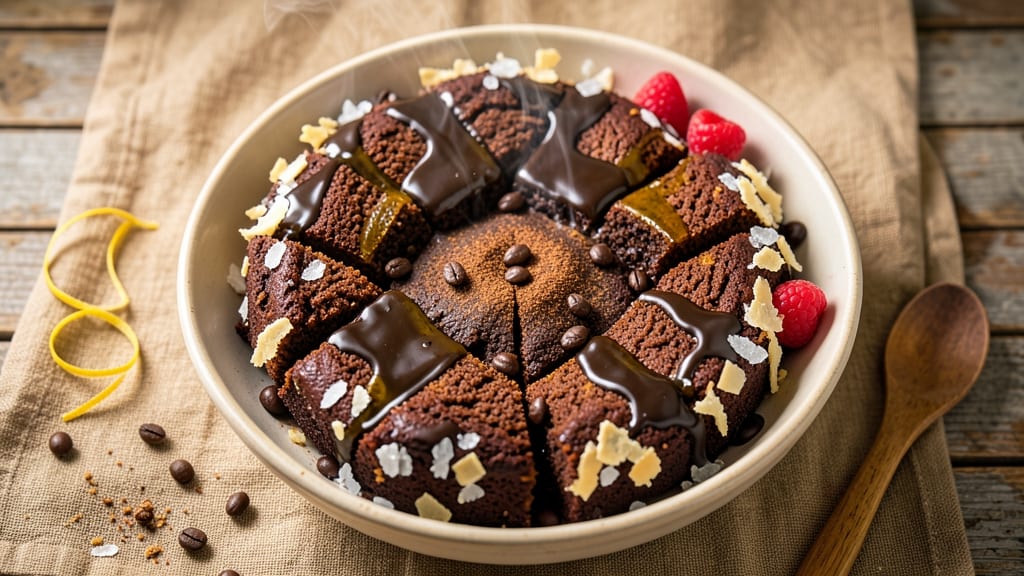
This moist chocolate olive oil cake from Candace Nelson delivers a perfect balance of rich cocoa and citrus brightness that keeps every slice tender for days. The secret lies in her signature olive oil technique, which creates a velvety crumb without drying out the cake.
I’ve baked this recipe countless times—it never disappoints, whether served at room temperature or fresh from the oven.
The recipe combines high-quality dark chocolate with a touch of citrus zest, creating a flavor profile that’s both decadent and refreshing. Olive oil replaces butter for a lighter texture while maintaining deep moisture, and the addition of espresso powder enhances the chocolate’s intensity.
No special equipment is needed beyond a standard mixing bowl and oven-safe pan.
What makes this cake truly special is its ability to stay moist for up to five days when stored properly. The citrus notes cut through the richness, while the olive oil keeps the crumb tender without being greasy.
Each slice offers a perfect harmony of flavors—sweet, slightly tangy, and deeply satisfying.
Perfect for birthdays, holidays, or just because, this cake is simple to make but feels like a gourmet treat. The instructions are straightforward, with tips to ensure success every time. Let’s get baking!
Ingredients for candace nelson chocolate olive oil cake
Rich cocoa meets velvety olive oil—this cake delivers decadence without the dryness.
| Ingredient | Amount | Notes |
|---|---|---|
| Extra-Virgin Olive Oil 🫒 | ¾ cup | High-quality, fruity variety |
| Granulated Sugar 🍚 | 1 ½ cups | White or light brown |
| Unsweetened Dark Chocolate 🍫 | 8 oz | 70% cocoa, chopped |
| All-Purpose Flour 🌾 | 2 cups | Sifted, plus extra for pan |
| Baking Powder 🍞 | 1 ½ tsp | Aluminum-free preferred |
| Espresso Powder ☕ | 1 tbsp | Instant espresso preferred |
| Salt 🧂 | ½ tsp | Fine sea salt |
| Orange Zest 🍊 | 1 tbsp | Freshly grated |
| Large Eggs 🥚 | 2 whole | Room temperature |
| Vanilla Extract 🌿 | 1 tsp | Pure vanilla preferred |
| Whole Milk 🥛 | ½ cup | Room temperature |
| Orange Juice 🍊 | ¼ cup | Freshly squeezed |
The olive oil is non-negotiable here—look for extra-virgin with fruity notes (like Colavita or Bertolli), not the cheap stuff. Dark chocolate? 70% cocoa or higher—Ghirardelli or Lindt are my go-tos. Chop it yourself for even melting. The orange zest needs to be fresh—no dried substitutes. For the flour, King Arthur or Bob's Red Mill brands bake consistently. Espresso powder? Starbucks or Nescafé work fine, but instant espresso is richer. And that milk? Whole milk (the good stuff, not the pre-pasteurized kind) keeps the crumb tender.
No espresso powder? Strong brewed coffee at half the amount works in a pinch. Short on orange juice? Substitute with lemon juice—same tang, just slightly different flavor. The vanilla extract? Pure Madagascar bourbon is ideal, but imitation gets the job done. For a nutty twist, swap half the flour for almond flour. Want extra moisture? Add 1 tbsp more olive oil. And if you're gluten-free, King Arthur gluten-free flour blend works beautifully—just add 1 tsp xanthan gum.
This cake stays moist for 5 days when wrapped tightly in plastic. For longer storage, freeze slices wrapped in parchment—up to 3 months. Room temperature is best for serving, but a 30-second zap in the microwave revives any chilled slices. Double the batter? It bakes perfectly in a 9x13-inch pan—just reduce baking time by 10 minutes. The citrus notes peak after 24 hours, so make it ahead if you can.
Why You'll Love This Recipe
- I’ll be real: olive oil and dark chocolate sound fancy, but they stretch further than butter and milk chocolate. A single cake feeds six, and leftovers? They disappear faster than I can say “second slice.” Plus, no fancy decorating means more money for better chocolate next time. Smart move.
- No Mixer Needed: I swear by this recipe when my kitchen tools are buried under laundry. Just whisk the olive oil and sugar until smooth—no stand mixer, no fuss. The dark chocolate chunks melt into the batter like magic, and the olive oil keeps everything tender without overworking it.
- Rich Without Guilt: Between us, this cake is ridiculously good but doesn’t taste like it’s doing anything wrong. The olive oil adds depth (yes, really) while the dark chocolate gives that deep, fudgy satisfaction. It’s the kind of dessert that makes you forget about calorie counts—until you remember you’re also saving money by skipping pricier ingredients.
- Weeknight Hero: Honestly, this is my go-to when I need something impressive but can’t be bothered with layers or frosting. Serve it warm with a dusting of powdered sugar, or slice it cold for breakfast—no one judges. It’s the kind of cake that works at brunch, as a snack, or even stuffed with ice cream when you’re feeling extra.
Step-by-step instructions for candace nelson's chocolate olive oil cake
Here's how to create a rich, moist chocolate cake with bright citrus notes that'll impress everyone.
Melt Chocolate and Combine Wet Ingredients
Start by melting the 8 oz unsweetened dark chocolate in a heatproof bowl set over a pot of simmering water, stirring until completely smooth. Remove from heat and let cool slightly. In a separate large bowl, whisk together the 0.75 cup extra-virgin olive oil, 1.5 cups granulated sugar, and 2 whole large eggs until fully combined and slightly thickened.
This is where the magic begins—adding the melted chocolate to the egg mixture creates a velvety base. Stir in the 1 tbsp espresso powder, 1 tsp vanilla extract, and 0.5 cup whole milk until smooth. The espresso enhances the chocolate flavor while keeping the cake moist. I like to let this mixture sit for 5 minutes so the chocolate cools slightly before adding the dry ingredients—this prevents the flour from cooking prematurely.
Mix Dry Ingredients and Fold Gently
In a medium bowl, sift together the 2 cups all-purpose flour, 1.5 tsp baking powder, and 0.5 tsp salt. This ensures no lumps remain in your batter. Gently fold the dry ingredients into the chocolate mixture using a spatula, mixing just until combined—overmixing develops gluten and makes the cake dense. Real talk: you'll see some flour streaks, and that's okay.
Next, stir in the 1 tbsp orange zest and 0.25 cup orange juice. The citrus brightens the deep chocolate flavor and adds a subtle tang. I press the zest into the batter with my fingers to release maximum flavor. Let the batter rest for 10 minutes—this allows the flour to fully hydrate and the flavors to meld, resulting in a more tender crumb.
Prepare and Bake the Cake
Preheat your oven to 350°F and grease two 8-inch round cake pans with olive oil, then dust with flour. Divide the batter evenly between the pans. Bake for 30-35 minutes, or until a toothpick inserted in the center comes out clean. The cake should be slightly springy to the touch—don't overbake, or it'll dry out.
Here's the thing—olive oil cakes bake differently than butter cakes. They're denser and more moist, so they need that extra few minutes to set properly. If the tops brown too quickly, tent with foil after 20 minutes to prevent over-browning while the center finishes baking. Let the cakes cool in the pans for 10 minutes before transferring to a wire rack to cool completely.
Serve with Confidence
Once fully cooled, slice the cake with a sharp knife dipped in hot water—this ensures clean cuts through the dense texture. Serve at room temperature for the best texture and flavor. This cake keeps well at room temperature for 3 days or can be refrigerated for up to 5 days. The olive oil keeps it moist even after sitting out, which is why this recipe works so well for make-ahead desserts.
Pair with a dusting of powdered sugar or a dollop of whipped cream to complement the rich chocolate and citrus notes. The combination of olive oil and espresso gives it a sophisticated depth that makes it perfect for special occasions or as a decadent treat any day of the week.
Pro Tips For Making Candace Nelson Chocolate Olive Oil Cake
- Melt Chocolate Slowly: The recipe calls for melted chocolate, but I learned the hard way—dumping chopped dark chocolate into hot oil or milk seizes it like scrambled eggs. Instead, melt the chocolate in a heatproof bowl over a pot of barely simmering water (the bowl shouldn’t touch the water), stirring every 30 seconds until smooth. This keeps the texture silky and prevents graininess.
- Weigh Your Flour: This isn’t a fluffy butter cake—it’s dense and rich—but that doesn’t mean you can eyeball the flour. Spooning and scooping compresses it, throwing off the ratio. Use a kitchen scale for precision, or at least scoop the flour into a measuring cup and level it off with a knife. Trust me, the cake will be more even if you do.
- Don’t Overmix the Batter: Olive oil cakes rely on a tender crumb, and overmixing develops gluten like you’re kneading bread dough. Mix the wet and dry ingredients just until combined—maybe 10-12 strokes with a spatula. Stop when there are no more dry streaks. I’ve seen people beat this batter like a smoothie, and the result? A cake that’s more cakey than cakey.
- Check for Doneness Early: This cake’s dense, so it won’t spring back when pressed like a vanilla cake. Instead, insert a toothpick or skewer into the center—it should come out with a few moist crumbs, not wet batter. If you wait for the toothpick to come out clean, you’ll end up with a dry, overbaked brick. Pull it when it’s almost done.
Pro cooking tips for candace nelson chocolate olive oil cake
Olive Oil Magic
Olive oil is the star here—it creates a moist crumb without the greasiness of butter. Use extra-virgin olive oil with fruity notes (like Colavita or Bertolli) for the best flavor. Measure it accurately: 0.75 cup is key for that perfect balance of richness and lightness.
I swear by heating the oil slightly before mixing it with the eggs—just warm it to 110°F for 1 minute in the microwave. This helps emulsify the batter beautifully. 🫒
Citrus Brightness
The orange zest and juice are non-negotiable for that signature brightness. Use freshly grated zest from a Navel orange—about 1 tbsp—and squeeze the juice from 1 small orange (about 0.25 cup). The zest should be finely grated, not chopped, to avoid bitterness.
I like to zest over a fine-mesh strainer to catch any accidental pith. If you're using a boxed zest, skip it—it lacks the freshness. 🍊
Espresso Boost
That 1 tbsp espresso powder is a game-changer—it deepens the chocolate flavor and keeps the cake moist. I use Starbucks instant espresso powder because it dissolves smoothly. No powder? Strong brewed coffee works in a pinch—just use 2 tbsp of cooled, concentrated coffee.
Whisk it into the wet ingredients until fully dissolved to avoid clumps in your batter. This step is where the cake gets its sophisticated depth. ☕
Batter Resting
Let the batter rest for 10 minutes before baking—this is crucial. It allows the flour to fully hydrate and the flavors to meld, resulting in a more tender crumb. Don’t skip this step! While it rests, check your oven temperature with an oven thermometer—many ovens run hot.
If yours does, reduce the heat to 340°F for even baking. The batter will look thick, but that’s normal—it’s what gives the cake its dense, moist texture. ⏱️
Baking Like a Pro
Grease your 8-inch round cake pans generously with olive oil, then dust with flour. Line the bottoms with parchment circles for easy removal. Bake at 350°F for 30-35 minutes, but don’t open the oven door early—temperature fluctuations can cause sinking.
If the tops brown too quickly, tent with foil after 20 minutes. The cake is done when a toothpick comes out clean (or with a few moist crumbs—this is normal!). Let it cool in the pan for 10 minutes before transferring to a wire rack. 🔥
Troubleshooting Tips
If your cake cracks on top, it’s likely overbaked. Pull it out when the center is just set and let it cool completely before slicing. For a denser texture, make sure your ingredients are at room temperature—especially the eggs and milk.
If the cake tastes bland, double-check your espresso powder and zest measurements. And if it’s too dry? Next time, add 1 tbsp more olive oil to the batter. Trust me, this cake is forgiving—even if you make a few mistakes, it’ll still turn out delicious. 💡
Nutrition facts
Frequently asked questions
Why does this chocolate olive oil cake stay moist longer than butter cakes?
The olive oil creates a denser, more velvety crumb that retains moisture for 5 days at room temperature. Unlike butter, which can dry out as it melts, olive oil keeps the cake tender without becoming greasy. The citrus zest also helps balance flavors while preserving freshness.
Can I substitute butter for the olive oil in this recipe?
Not recommended! Olive oil gives this cake its signature texture and depth. If you must substitute, use 0.75 cup melted coconut oil (for a neutral flavor) or 0.75 cup melted butter, but expect a slightly different crumb. The espresso and citrus notes won't shine as brightly without olive oil's richness.
How do I prevent my cake from cracking on top?
Cracking usually means overbaking. Pull the cake when a toothpick comes out with a few moist crumbs (not completely clean). For extra insurance, tent with foil after 20 minutes if the top browns too quickly. Also, make sure your oven is properly calibrated—many run hot!
What's the best way to store leftovers?
Wrap tightly in plastic wrap and store at room temperature for 3 days, or refrigerate for 5 days. For longer storage, freeze slices wrapped in parchment for up to 3 months. The olive oil keeps it moist even when chilled—just let slices sit at room temperature for 10 minutes before serving.
Can I make this cake in a different pan size?
Yes! For a 9-inch round pan, reduce baking time by 5-7 minutes. For a 9x13-inch pan, bake at 350°F for 25-30 minutes (no need to double the batter—this recipe fills it perfectly). Always use an oven thermometer to ensure accuracy.