
Desserts
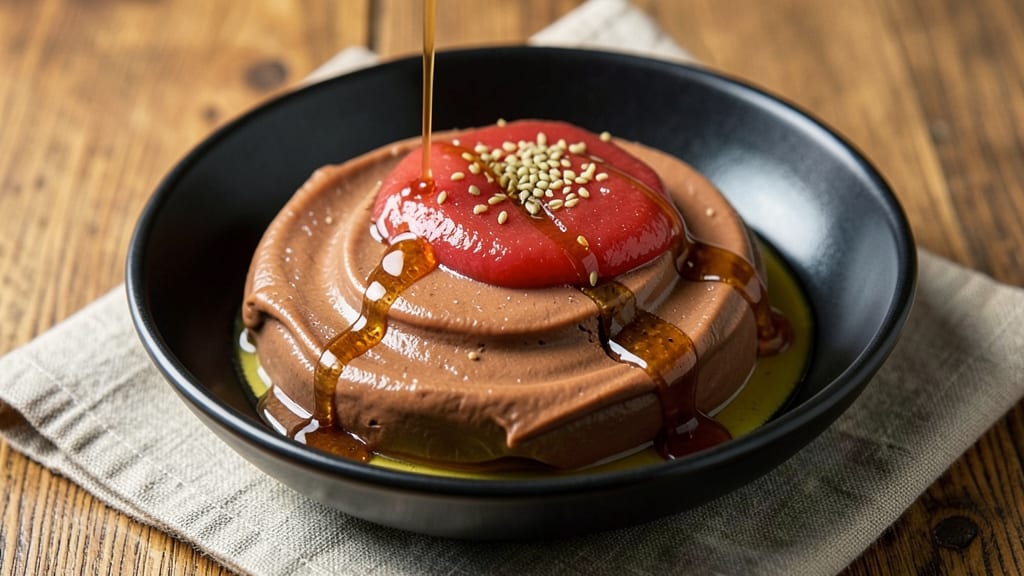
This carob powder chocolate recipe delivers rich, nutty-sweet bites that taste like chocolate but contain no caffeine or dairy. The secret lies in balancing carob's earthy depth with just enough sweetness to satisfy cravings—perfect for those who love chocolate's flavor without the stimulants.
These treats are naturally vegan, gluten-free, and packed with minerals like calcium and magnesium.
The recipe transforms simple pantry staples into fudgy, melt-in-your-mouth squares that hold together beautifully. Unlike traditional chocolate, carob maintains its texture without needing stabilizers, making it ideal for baking.
The result is a dessert that's both indulgent and guilt-free, with a satisfying crunch that disappears as you bite into the center.
What makes this recipe stand out is its versatility—use it for brownies, truffles, or even hot chocolate. The carob powder provides a naturally sweet, slightly bitter contrast that pairs wonderfully with nuts, coconut, or vanilla. Each batch yields about 16 squares, perfect for sharing or meal prepping ahead of time.
The process is straightforward: melt, mix, set, and enjoy. No special equipment is needed beyond a baking dish and a few basic ingredients. For those new to carob, start with a 1:1 substitution ratio if converting from cocoa recipes, then adjust sweetness to taste.
The end result is a dessert that proves healthy ingredients can be just as delicious as traditional ones.
Ingredients for carob powder chocolate
These twelve ingredients transform carob's earthy notes into decadent, guilt-free chocolate squares.
| Ingredient | Amount | Notes |
|---|---|---|
| Carob Powder 🍫 | 1 cup | Natural sweetness, earthy depth |
| Coconut Oil 🥥 | ¾ cup | Unrefined, solid at room temp |
| Maple Syrup 🍁 | ½ cup | Grade B for robust flavor |
| Vanilla Extract 🌿 | 1 tbsp | Pure alcohol-free preferred |
| Unsweetened Applesauce 🍎 | ¼ cup | Pulp-free for smoother texture |
| Ground Flaxseed 🌾 | ¼ cup | For binding without eggs |
| Almond Butter 🥜 | ¼ cup | Creamy, unsweetened preferred |
| Sea Salt 🧂 | ½ tsp | Fine grain for even distribution |
| Coconut Flakes 🥥 | ¼ cup | Toasted for enhanced flavor |
| Dark Chocolate Chips 🍫 | ½ cup | Vegan, 70% cocoa minimum |
| Almond Flour 🥜 | ½ cup | Fine texture for smooth batter |
| Cinnamon 🌿 | ½ tsp | Ground, high-quality preferred |
| Water 💧 | ¼ cup | Room temperature for blending |
Carob powder is the foundation—look for organic, fine-ground varieties at health food stores like Whole Foods or Sprouts. The grade B maple syrup adds depth without overpowering, and alcohol-free vanilla extract ensures no hidden animal products. Coconut oil should be unrefined for its natural coconut flavor, not the refined, odorless kind. For the flaxseed, brown or golden flaxseeds work best when freshly ground. Pre-ground flaxseed loses its binding properties quickly, so grind your own if possible. The almond butter should be 100% almond with no added oils or sugars—Marukan or Justin's are reliable brands.
No maple syrup? Agave nectar works in a pinch, though it has a slightly different flavor profile. Substitute sunflower seed butter for almond butter if nut allergies are a concern. For a deeper chocolate flavor, increase the dark chocolate chips to 0.75 cup and reduce coconut flakes by the same amount. The applesauce can be swapped for mashed banana (reduce other liquids by 2 tbsp) for added moisture. If you prefer a crunchier texture, toast the coconut flakes in a dry pan for 2-3 minutes before adding. The cinnamon is optional but enhances the carob's natural sweetness—Penzeys or McCormick brands offer high-quality ground spices.
Store the baked squares in an airtight container with parchment paper between layers to prevent sticking. They keep at room temperature for up to 5 days or in the fridge for up to 2 weeks. For longer storage, freeze for up to 3 months—thaw at room temperature for 10 minutes before serving. These squares reheat beautifully in the microwave for 10-15 seconds to restore their fudgy texture. Portion into individual squares before freezing for easy grab-and-go treats. The recipe scales perfectly for 32 squares by doubling all ingredients—ideal for gifting or meal prep.
Why You'll Love This Recipe
- No-Mess Mixing: I swear by this recipe because you just melt, stir, pour—no blender, no food processor, no stress. The coconut oil and applesauce blend together like magic when warmed, and carob powder dissolves smoother than I expected.
- Rich Without Guilt: Honestly, it’s the maple syrup and vanilla that make this taste like a decadent treat, but with none of the sugar crash. The carob gives it that deep, molasses-like richness that’s satisfying without leaving me jittery.
- Dip or Spread: Between us, this stuff is ridiculously versatile. Spread it on toast for a breakfast upgrade, use it as a vegan frosting for cakes, or just eat it straight with a spoon—my kids call it “chocolate pudding,” but I won’t correct them.
- Lasts All Week: I make a big batch on Sundays, and it stays fresh in the fridge for days. The coconut oil solidifies nicely, so it’s easy to scoop, and the applesauce keeps it from drying out. Budget-friendly? Absolutely—this costs a fraction of store-bought chocolate spreads.
Step-by-step instructions for carob powder chocolate recipe
Here's how to transform carob powder into rich, nutty-sweet chocolate bites with perfect texture.
Create the Carob Base
In a medium saucepan over low heat, combine the 1 cup carob powder, 0.75 cup coconut oil, and 0.5 cup maple syrup. Stir constantly for 5-7 minutes until the mixture reaches 120°F and becomes completely smooth.
This gentle heat allows the carob powder to fully dissolve without burning. You'll notice the mixture thicken slightly as it comes together—this is normal. If it begins to bubble or darken, immediately reduce the heat. The goal is a velvety, fudge-like consistency that coats the back of a spoon.
Incorporate Binders and Flavorings
Remove the saucepan from heat and let it cool for 2 minutes. Then whisk in the 1 tbsp vanilla extract, 0.25 cup unsweetened applesauce, 0.25 cup almond butter, and 0.5 tsp sea salt. The applesauce will help create a lighter texture while the almond butter adds depth.
Next, stir in the 0.5 cup almond flour and 0.5 tsp cinnamon until fully incorporated. The mixture should be thick but still pourable. If it becomes too stiff, add 1-2 tablespoons of the 0.25 cup water at a time until you reach a smooth, spreadable consistency.
Fold in Dry Add-Ins
In a separate bowl, mix together the 0.5 cup dark chocolate chips and 0.25 cup coconut flakes. Then gently fold these into the carob mixture using a spatula, being careful not to overmix. The chocolate chips should be evenly distributed but still visible as pockets throughout.
This is where the texture magic happens—the chocolate chips will melt slightly from the residual heat, creating pockets of molten richness when the mixture sets. For best results, work quickly but deliberately to maintain an even distribution.
Set the Chocolate Bites
Line a small baking dish or loaf pan with parchment paper, spraying it lightly with coconut oil to prevent sticking. Pour the carob mixture into the prepared pan and press it down gently but firmly to create an even surface.
Refrigerate for 4 hours or until completely firm. The mixture should hold its shape when gently pressed with a finger—no indentation should remain. For a firmer texture, you can also freeze for 2 hours, though refrigeration yields the best texture.
Cut and Serve
Once fully set, remove the chocolate from the refrigerator and let it sit at room temperature for 5 minutes to soften slightly. Then use a sharp knife to cut into 16 equal squares (about 1-inch by 1-inch each).
Serve immediately for the best texture contrast—warm hands against the cool chocolate. These bites should have a firm exterior with a slightly fudgy interior, balanced earthy carob flavor with sweet maple undertones, and bursts of melted chocolate in every bite.
Pro Tips For Making Carob Powder Chocolate
- Melt the Coconut Oil Slowly: If you dump solid coconut oil straight into the mix, you’ll end up with clumps that refuse to blend smoothly. Instead, warm it in a bowl over barely simmering water (double boiler) until just liquid—about 2-3 minutes—then stir it into the carob powder. This keeps the texture silky and prevents graininess, especially if you’re using applesauce as a thickener.
- Sift the Carob Powder First: Carob powder is dense, and clumps will make your chocolate look (and taste) uneven. Take 30 seconds to sift it through a fine-mesh sieve before mixing—no fancy tools needed, just a regular kitchen strainer. This also aerates it slightly, giving your final chocolate a lighter, more velvety mouthfeel.
- Balance the Maple Syrup: Maple syrup can overpower carob’s earthy notes if you go heavy-handed. Start with 2 tablespoons per ¼ cup carob, then taste as you go—carob’s bitterness needs sweetness, but too much syrup makes it cloying. If it’s too sweet, add a pinch of sea salt to cut through it (trust me, it works).
- Use Warm Applesauce: Cold applesauce thickens the mix unevenly and can make the coconut oil seize up. Heat it in the microwave for 15 seconds until just warm (not hot), then stir it in last. This ensures a smoother consistency and prevents the chocolate from separating when it sets.
Perfect pairings for this carob powder chocolate
Creamy Beverage Pairings
Warm up with a carob hot chocolate made by whisking 1 tbsp carob powder and 1 tbsp maple syrup into 1 cup steamed milk (dairy or plant-based). Top with a sprinkle of toasted coconut flakes for texture that mirrors your squares.
For a caffeine-free latte, blend 1 cup hot milk with 1 tsp carob powder and ½ tsp vanilla extract, then froth until creamy. 🥛
Coffee Alternatives
Swap coffee for carob spiced chai—simmer 1 cup milk with 1 tsp carob powder, ½ tsp cinnamon, and a pinch of cardamom for 5 minutes. Strain and sweeten with 1 tsp maple syrup.
The earthy carob balances the warm spices beautifully, creating a comforting alternative to traditional chai. I love this as an afternoon pick-me-up without caffeine jitters.
Fruit Contrasts
Serve your carob squares alongside sliced strawberries or banana halves to highlight their nutty-sweetness. The natural fruit acidity cuts through the richness, while the carob's mineral notes complement the fruit's sweetness. For a tropical twist, pair with mango chunks—the carob's earthiness contrasts perfectly with mango's tropical brightness. 🍓
Nutty Enhancements
Add a side of toasted almonds or cashews to emphasize the recipe's nutty undertones. The crunchy texture pairs wonderfully with the fudgy carob squares. For a protein boost, serve with Greek yogurt (or coconut yogurt for vegan) drizzled with honey—the tangy creaminess balances the carob's earthy depth. 🥜
Spiced Tea Pairings
Brew earl grey tea with a splash of orange juice and a dash of vanilla extract for a sophisticated pairing. The tea's bergamot notes complement carob's natural sweetness, while the citrus brightens the overall experience.
For a cozy evening, try ginger tea—the spicy kick enhances the carob's mineral richness without overpowering it.
Nutrition facts
Frequently asked questions
Can I substitute carob powder for cocoa powder in other recipes?
Yes, but start with a 1:1 ratio and adjust to taste. Carob has a naturally sweeter, earthier flavor than cocoa, so you may need less sugar (or 1-2 tbsp less per cup of carob). It's ideal for brownies, cookies, or hot chocolate where you want a caffeine-free alternative. For baking, carob works best in recipes where texture isn't the primary focus—it's more about flavor than structure.
Why does my carob mixture taste bitter?
Carob's natural bitterness comes from its high mineral content. To balance it, add 1-2 extra tbsp of maple syrup or vanilla extract (which enhances sweetness). Avoid overcooking—the mixture should never exceed 120°F to prevent bitterness. If using store-bought carob powder, check for additives like sugar or vanilla that might mask the natural flavor.
How do I make these carob squares gluten-free?
This recipe is already gluten-free! The almond flour and ground flaxseed provide natural binding without gluten. Just ensure your carob powder and coconut flakes are certified gluten-free. For extra insurance, use a dedicated gluten-free kitchen or clean all tools thoroughly if you also handle wheat products.
Can I melt these carob squares for dipping fruit?
Cut the squares into smaller chunks and gently melt them in a double boiler (or 30-second bursts in the microwave) until smooth but not hot. Dip strawberries, banana slices, or pretzels for a quick treat. Work quickly—the carob sets fast! For extra shine, brush the melted carob with a tiny bit of coconut oil before dipping.
What’s the shelf life of homemade carob chocolate?
Store in an airtight container at room temperature for 5-7 days. For longer storage, refrigerate for up to 2 weeks or freeze for 3 months. The texture may soften slightly when thawed, but a 10-second microwave reheat restores it. Freezing works best for individual squares—wrap each in parchment paper before freezing to prevent sticking.