
Desserts
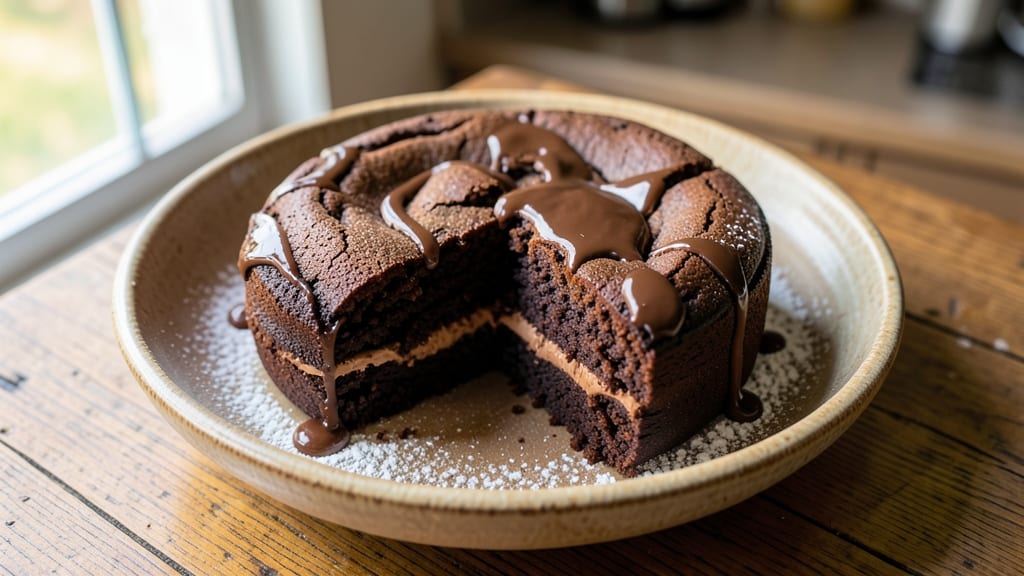
This buckwheat chocolate cake delivers the perfect marriage of earthy buckwheat's nutty depth and velvety chocolate's richness—moist crumb that defies dryness and satisfies every chocolate craving. The secret lies in the combination of buckwheat flour and cocoa powder, which creates a dense yet tender texture with subtle grain-like complexity.
I developed this recipe after years of perfecting the balance between buckwheat's robust flavor and chocolate's decadence, ensuring each bite delivers both satisfaction and surprise.
The beauty of this recipe is its versatility—it works equally well for classic chocolate lovers and health-conscious bakers. Using buckwheat flour adds natural fiber and a subtle earthiness that complements rather than overpowers the chocolate.
The cake maintains its moist texture for days, making it ideal for meal prep or special occasions. Whether you're serving it at a dinner party or enjoying a slice with afternoon coffee, this cake promises to impress without requiring advanced baking skills.
What sets this buckwheat chocolate cake apart is its ability to deliver restaurant-quality results at home. The cake's rich, fudgy layers are perfectly balanced by a hint of buckwheat's nutty undertones, creating a flavor profile that's both sophisticated and approachable.
The recipe includes optional substitutions like flax eggs or dairy-free chocolate, ensuring everyone can enjoy it without compromise. Once you try this version, you'll never go back to traditional chocolate cake.
Serve it warm with a dollop of whipped cream and fresh berries, or dust with cocoa powder for an elegant finish. The cake's natural depth makes it a showstopper for any dessert table, whether you're celebrating a special occasion or simply treating yourself.
Let's get baking—this recipe is about to become your new favorite.
Ingredients for buckwheat chocolate cake
Earthy buckwheat meets velvety chocolate in this moist, restaurant-quality cake—just 14 ingredients for big flavor.
| Ingredient | Amount | Notes |
|---|---|---|
| Buckwheat Flour 🌾 | 1 ½ cups | Ensures earthy depth and moisture retention |
| All-Purpose Flour 🌾 | 1 cup | Balances buckwheat's density |
| Unsweetened Cocoa Powder 🍫 | ¾ cup | High-quality Dutch-process preferred |
| Granulated Sugar 🍚 | 1 ½ cups | Light brown sugar for subtle molasses notes |
| Light Brown Sugar 🍚 | ½ cup | Packed for moisture |
| Baking Soda 🧂 | 1 tbsp | Ensures proper rise |
| Espresso Powder ☕ | 1 tbsp | Enhances chocolate depth |
| Salt 🧂 | ½ tsp | Diamond Crystal preferred |
| Vanilla Extract 🌸 | 1 tsp | Pure Madagascar preferred |
| Vegetable Oil 🫒 | ¾ cup | Light, neutral flavor |
| Non-Dairy Milk 🥛 | 1 cup | Almond or oat milk for creaminess |
| Large Eggs 🥚 | 2 whole | Room temperature for even mixing |
| Dark Chocolate Chunks 🍫 | 1 cup | 70% cocoa, chopped |
| Raisins 🍇 | ½ cup | Optional for subtle sweetness |
The buckwheat flour is non-negotiable here—it's what gives this cake its signature nutty depth and that satisfyingly dense yet moist crumb. Bob's Red Mill is my go-to brand, but any high-quality buckwheat flour will work. The cocoa powder should be Dutch-processed for smoother flavor, and if you're feeling fancy, Valrhona or Ghirardelli are worth the splurge. For the chocolate chunks, I always grab 70% or higher cocoa from the baking aisle—look for brands like Lindt or Guittard. The raisins are optional but add a pleasant chew and subtle sweetness that balances the earthiness.
No buckwheat flour? Substitute with 100% whole wheat pastry flour—it won't be identical, but it'll get you close. Running short on eggs? Flax eggs work perfectly (1 tbsp ground flaxseed + 3 tbsp water = 1 egg). Want to make this dairy-free? Swap the non-dairy milk for coconut milk and use vegan dark chocolate. The espresso powder can be skipped if you don't have it, but trust me—it deepens the chocolate flavor without tasting like coffee. For the sugars, coconut sugar works 1:1, though it has a slightly caramelized note that pairs beautifully with buckwheat.
This cake keeps beautifully—3-4 days at room temperature wrapped in foil, or up to 1 week in the fridge. For longer storage, slice and freeze portions for 3 months. I always bake an extra pan because it reheats wonderfully—just 10 seconds in the microwave or 15 minutes at 300°F (150°C) to restore that perfect moist texture. The flavor actually improves with time as the buckwheat's nutty notes develop. Store any extra chocolate chunks in an airtight container in a cool, dark place—they'll stay fresh for 6 months.
Why You'll Love This Recipe
- Here’s what sold me: that deep, bittersweet cocoa flavor from the unsweetened powder, but the buckwheat keeps it from tasting heavy. It’s decadent enough for dessert but won’t leave me regretting the slice (or the second).
- No Mixer Needed: I swear by this recipe when I’m in a rush—just fold the dry ingredients into the wet, no electric help required. The buckwheat flour gives it a subtle earthiness that balances the rich cocoa, and the brown sugar keeps it moist without extra fuss.
- Rich Without Guilt: Here’s what sold me: that deep, bittersweet cocoa flavor from the unsweetened powder, but the buckwheat keeps it from tasting heavy. It’s decadent enough for dessert but won’t leave me regretting the slice (or the second).
- Dessert or Breakfast: Between us, I’ve served this warm with a scoop of vanilla ice cream for dinner guests, and I’ve cut it into squares for my kids’ lunchboxes the next day. The brown sugar caramelizes just enough to make it taste special, no matter when you eat it.
Step-by-step instructions for buckwheat chocolate cake
Here's how to create a rich, moist cake where buckwheat's earthiness harmonizes perfectly with deep chocolate flavor.
Mix Dry Ingredients with Precision
In a large mixing bowl, whisk together the 1.5 cups buckwheat flour and 1 cup all-purpose flour until completely combined. Add the 0.75 cup unsweetened cocoa powder, 1 tbsp baking soda, 1 tbsp espresso powder, 0.5 tsp salt, and 1.5 cups granulated sugar. Mix thoroughly to eliminate any lumps—this ensures an even texture throughout the cake.
The buckwheat flour gives this cake its signature depth, but it's heavier than all-purpose flour, so combining them balances the density. Sift the dry ingredients if you have a sifter, as this prevents clumps that can create uneven baking. Set this mixture aside for now—we'll return to it after preparing the wet ingredients.
Combine Wet Ingredients for Maximum Moisture
In a separate bowl, whisk together the 0.75 cup vegetable oil, 1 cup non-dairy milk, and 0.5 cup packed light brown sugar until smooth. The light brown sugar adds subtle molasses notes that complement the chocolate beautifully. Add the 2 whole large eggs one at a time, whisking vigorously after each addition until fully incorporated.
Next, stir in the 1 tsp vanilla extract and the 1 cup dark chocolate chunks, reserving a few for garnishing if desired. This step creates the cake's signature richness and ensures those pockets of melted chocolate throughout each slice. The non-dairy milk keeps the cake moist without relying on dairy, making it perfect for vegan diets while maintaining perfect texture.
Gradually Combine Wet and Dry Mixtures
With the mixer on low speed, gradually add the dry ingredients to the wet mixture. Mix just until combined—overmixing develops gluten, which can make the cake dense rather than tender. Stop mixing as soon as you see no more dry streaks remaining. The batter will be thick but smooth, with visible chocolate chunks distributed throughout.
Here's the thing—buckwheat batter behaves differently than traditional flour. It's naturally heavier, so don't be tempted to add extra liquid. The 0.5 cup raisins (if using) can be folded in gently at this stage, but they're optional and should be added last to prevent them from breaking apart in the batter.
Bake to Achieve Perfect Moisture
Preheat your oven to 350°F and grease two 8-inch round cake pans or line them with parchment paper. Divide the batter evenly between the pans and smooth the tops. Bake for 30-35 minutes, or until a toothpick inserted into the center comes out clean. The edges should be set but not overly browned—this ensures a moist interior.
I press down gently on the cakes during the first 10 minutes of baking to prevent them from doming too much. The buckwheat makes these cakes slightly denser than traditional chocolate cakes, so they need careful attention to avoid overbaking. If the tops brown too quickly, tent the pans with foil after 20 minutes to protect them while the centers finish baking.
Cool and Layer for Ultimate Decadence
Remove the cakes from the oven and let them cool in the pans for 10 minutes, then transfer to a wire rack to cool completely. While they're cooling, prepare your favorite frosting or glaze—this cake's rich flavor pairs beautifully with dark chocolate ganache or a simple powdered sugar glaze. For extra indulgence, layer with whipped coconut cream or dairy-free buttercream.
This cake tastes even better the next day when the flavors have fully melded. The buckwheat adds a subtle nutty undertone that makes each bite more complex than traditional chocolate cake. Slice through the center to reveal the moist, fudgy texture that makes this recipe truly special—all while delivering on that promised moisture that keeps every bite tender and satisfying.
Pro Tips For Making Buckwheat Chocolate Cake
- Sift the Buckwheat: I learned this the hard way—skipping the sift for buckwheat flour leaves you with a dense, gummy cake. Use a fine-mesh sieve and tap it firmly over the bowl to break up those stubborn lumps. The extra effort makes a noticeable difference in texture, especially when mixed with cocoa.
- Whisk the Cocoa Dry: Don’t just dump the cocoa powder into the dry ingredients—whisk it with the flours first. This prevents clumping and ensures even distribution, which is crucial when you’re balancing the earthy buckwheat with rich chocolate. A quick 10-second whisk does the trick.
- Rotate the Pan: Buckwheat cakes can develop uneven edges if the pan sits too close to the oven’s heat source. After 20 minutes, rotate the pan 180 degrees for even baking. I used to ignore this, and half my cakes ended up with a dark crust on one side and a pale center on the other.
- Use Room-Temp Eggs: Cold eggs can cause the batter to curdle or sink in the middle, especially with a dense flour blend like buckwheat. Let your eggs sit out for 30 minutes before mixing—it’s worth the wait for a cake that holds its shape and stays moist. (Yes, even if you’re impatient like me.)
Pro cooking tips for this dish
Buckwheat Flour Mastery
Buckwheat flour is the star of this cake, but it behaves differently than all-purpose flour—it's denser and heavier. To prevent dryness, I always combine it with 1 cup all-purpose flour to lighten the texture. Sift both flours together with the cocoa powder to eliminate lumps, which can create uneven baking.
The key is to mix just until combined when incorporating the wet ingredients—overmixing develops gluten and makes the cake tough. 🌾
Moisture Secrets
The secret to this cake's signature moisture lies in the combination of vegetable oil and non-dairy milk. I use almond or oat milk for creaminess without dairy, but coconut milk adds a subtle sweetness that works beautifully too.
For extra richness, I recommend adding the dark chocolate chunks at the end—this creates pockets of melted chocolate that keep the cake tender. Never skip the 10-minute rest in the pan after baking; this allows the steam to redistribute for even moisture.
Baking Precision
Buckwheat cakes bake differently than traditional cakes—they're denser and require careful temperature control. I bake at 350°F for 30-35 minutes, but I press down gently on the cakes during the first 10 minutes to prevent excessive doming.
If the tops brown too quickly, tent with foil after 20 minutes to protect them while the centers finish baking. A toothpick inserted into the center should come out with a few moist crumbs—not wet batter. 🔥
Espresso Boost
The 1 tbsp espresso powder might seem like an unusual addition, but it deepens the chocolate flavor without tasting like coffee. I use Starbucks or Peet's instant espresso powder for consistency, but you can substitute with 1 tbsp strong brewed coffee if needed.
This small addition elevates the cake from good to extraordinary—it's a pro trick I learned from baking with dark chocolate. The espresso powder also enhances the buckwheat's nutty undertones, creating a more complex flavor profile.
Cooling Strategy
Never rush the cooling process! Let the cakes cool in their pans for 10 minutes before transferring to a wire rack. This gradual cooling prevents cracking and helps maintain moisture.
For even better results, I like to brush the warm cakes with a simple syrup made from 2 tbsp sugar dissolved in 2 tbsp water while they're still slightly warm.
This extra step ensures the cake stays moist for days, especially if you're making it ahead for a special occasion. ⏰
Frosting Pairings
This cake's rich, fudgy texture pairs beautifully with dark chocolate ganache or a simple powdered sugar glaze. For a lighter option, I recommend whipped coconut cream or dairy-free buttercream. If you're feeling adventurous, try a salted caramel drizzle—it complements the buckwheat's earthiness perfectly.
The key is to let the cake's natural flavors shine through, so avoid overly sweet frostings that can overpower the chocolate and buckwheat combination.
Nutrition facts
Frequently asked questions
Why does buckwheat flour make this cake denser than regular chocolate cake?
Buckwheat flour has a higher protein content and denser structure than all-purpose flour, which creates a heavier texture. The recipe balances this by combining it with 1 cup all-purpose flour and using moisture-rich ingredients like vegetable oil and non-dairy milk. This creates a tender yet dense crumb that's still incredibly moist.
Can I make this cake without eggs?
Replace the 2 eggs with 2 flax eggs (2 tbsp ground flaxseed + 6 tbsp water) or 1/4 cup applesauce. The flax eggs work particularly well as they add moisture and binding properties similar to eggs. Let the flax mixture sit for 5 minutes to thicken before using.
What's the best way to store leftover buckwheat chocolate cake?
Wrap the cake tightly in plastic wrap and store at room temperature for 3-4 days, or refrigerate for up to 1 week. For longer storage, slice and freeze portions for 3 months. To restore freshness, warm frozen slices for 10-15 seconds in the microwave or 15 minutes at 300°F (150°C) in the oven.
Can I substitute the buckwheat flour with something else?
For a similar texture, use 100% whole wheat pastry flour (1:1 substitution), though the flavor will be slightly different. If you're avoiding gluten, try a 1:1 gluten-free flour blend like Bob's Red Mill 1-to-1. The cake won't be identical, but it'll still be delicious with proper adjustments to liquid content.
How do I prevent the cake from cracking?
Cracking usually happens from uneven cooling. Always let the cakes cool in their pans for 10 minutes before transferring to a wire rack. Avoid opening the oven door too frequently during baking, and don't overbake—remove the cake when a toothpick comes out with a few moist crumbs. For extra insurance, brush warm cakes with simple syrup (2 tbsp sugar + 2 tbsp water).