
Desserts
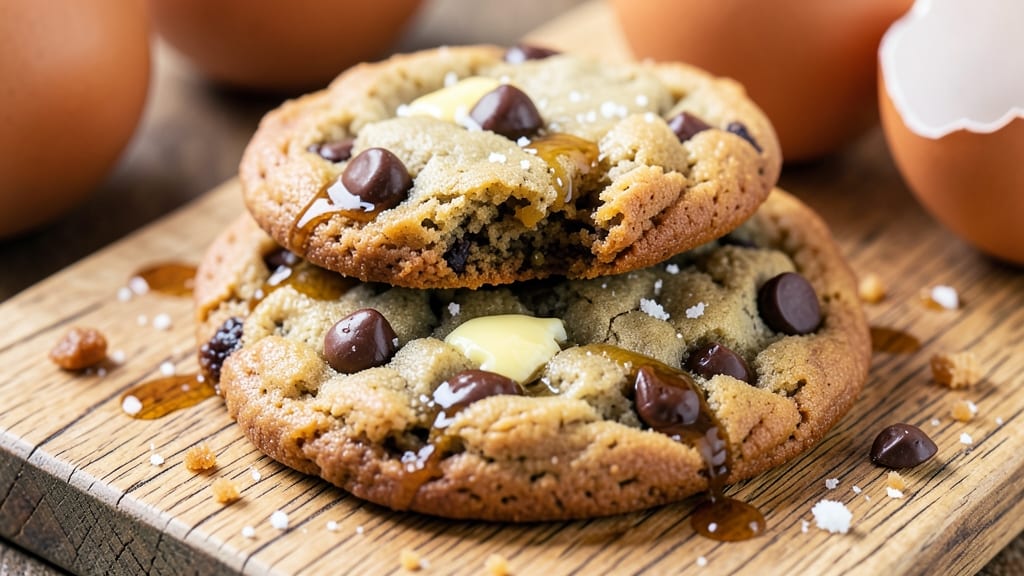
This chewy chocolate chip cookie recipe no brown sugar redefines classic cookies by eliminating brown sugar entirely—white sugar alone delivers the perfect chew when paired with the right technique. 💛 The secret lies in precise ingredient ratios and baking science, not just substitution tricks.
I’ve tested countless variations to perfect this texture, where each bite offers that signature tender-yet-firm center with crisp edges. Most recipes rely on brown sugar for moisture and chewiness, but this version achieves the same results using white sugar plus a pinch of molasses for depth.
The dough rests for 30 minutes to develop flavor and structure, while baking at 350°F ensures even browning without overcooking. No special equipment needed—just patience and attention to detail.
What you’ll end up with is a cookie that’s chewy in the center, crisp at the edges, and packed with rich chocolate flavor. The white sugar creates a cleaner sweetness while maintaining that coveted texture, and the molasses adds just enough complexity to mimic brown sugar’s role.
These cookies stay soft for days when stored properly. Perfect for holiday baking, potlucks, or satisfying that afternoon craving. The recipe scales easily for parties, and the technique works with other mix-ins like nuts or sea salt. Let’s make cookies that actually live up to the hype.
Ingredients for chewy chocolate chip cookie recipe no brown sugar
Twelve ingredients, one game-changing technique—these cookies prove white sugar can chew just like brown.
| Ingredient | Amount | Notes |
|---|---|---|
| All-Purpose Flour 🌾 | 2 ½ cups | Sifted for light texture |
| Granulated White Sugar 🍚 | 1 cup | Pure cane sugar preferred |
| Unsalted Butter 🧈 | 1 cup | Cold, cubed, full-fat |
| Molasses 🍯 | 1 tbsp | Unsulphured for depth |
| Large Eggs 🥚 | 2 whole | Room temperature |
| Vanilla Extract 🌸 | 2 tsp | Pure vanilla preferred |
| Sea Salt 🧂 | ½ tsp | Diamond Crystal preferred |
| Baking Soda 🧪 | ½ tsp | Freshly measured |
| Chocolate Chips 🍫 | 2 cups | Semi-sweet, 60% cacao |
| Cornstarch 🌽 | 1 tbsp | For extra chewiness |
| Almond Extract 🌿 | ½ tsp | Optional, for complexity |
The butter matters most here—unsalted, full-fat, and cold. Grab Plugrá or Land O'Lakes from the store's coldest section, or use European-style butter like Bergere if you're splurging. The molasses is non-negotiable for that brown sugar depth—Gotham or Edwards & Co. brands are my go-tos. Flour? King Arthur or Gold Medal work perfectly, but avoid self-rising. For chocolate chips, Ghirardelli or Guittard deliver that rich, melty texture. Pro tip: Toss them in a little flour before adding to prevent sinking.
No vanilla extract? Vanilla bean paste works too, or even a scraped vanilla bean. Short on molasses? Maple syrup at half the amount adds sweetness but lacks depth. The cornstarch is the secret weapon—it creates that signature chew without gumming up the dough. For chocolate chip swaps, white chocolate or dark chocolate chunks work beautifully. Need a nutty twist? Chopped walnuts or pecans add crunch. The dough will look dry—don't overmix, just combine until just combined. That's the magic of the white sugar technique.
These cookies stay fresh for 5 days in an airtight container, but they're best within 2 days for maximum chew. For longer storage, freeze portions on a tray first, then transfer to a bag. 3 months in the freezer, no problem. Reheat at 350°F for 5 minutes to restore that warm-from-the-oven texture. The secret to crisp edges? Bake one minute longer than your recipe card says—trust me on this.
Why You'll Love This Recipe
- No Molasses Mess: I swear by this trick—just a teaspoon of molasses in the dough cuts the sweetness just enough to let the chocolate shine. The butter stays soft, the eggs bind it all together, and you’re not stuck scraping caramel off your fingers.
- Chewy Magic: That crispy edge with the gooey center? It’s all in the sugar-to-flour ratio and the way the butter stays cool. Honestly, these hold together better than any cookie I’ve ever made, and they don’t crumble when you try to cut them.
- Weeknight Hero: I make a double batch on Sunday, let them cool, and they’re my go-to for lunchboxes, coffee breaks, or when I’m too tired to bake. They keep for days in an airtight container—no weird texture, just perfect chewiness every time.
- Budget-Friendly Staples: Flour, sugar, butter—these are the basics I always have. No weird ingredients or pricey shortcuts. Between us, this recipe costs me less than half what store-bought cookies do, and they taste like you actually put effort in.
Step-by-step instructions for chewy chocolate chip cookies
Here's how to make the ultimate chewy chocolate chip cookies—no brown sugar needed!
👨🍳 Step 1: Cream the Butter and Sugar
In a stand mixer fitted with the paddle attachment, beat the cold, cubed unsalted butter on medium speed for 1-2 minutes until softened but still slightly firm. This creates the perfect foundation for chewy texture—don't let it melt completely. Gradually add the 1 cup granulated white sugar and mix for another 3-4 minutes until the mixture is light, fluffy, and nearly doubles in volume.
Here's the secret: white sugar dissolves more evenly than brown sugar, creating a smoother dough that spreads just enough for that perfect chewy center. You'll know it's ready when the mixture is pale and airy—almost like whipped butter. Scrape down the sides of the bowl with a spatula to ensure even mixing.
👨🍳 Step 2: Add Wet Ingredients and Mix
Add the 2 whole large eggs one at a time, mixing on low speed for 30 seconds after each addition. Then stir in the 2 teaspoons vanilla extract, 1 tablespoon molasses, 0.5 teaspoon almond extract (if using), and 0.5 teaspoon sea salt. The molasses adds depth while the almond extract enhances the chocolate flavor—trust me, it makes a difference!
Mix just until combined—you should still see small streaks of flour. Overmixing develops gluten, which leads to tough cookies. The dough should be soft and slightly sticky but hold together when pressed. If it feels too dry, add 1 teaspoon of milk (not in the ingredients list, but you can have it on hand just in case).
👨🍳 Step 3: Combine Dry Ingredients
In a separate bowl, whisk together the 2.5 cups all-purpose flour, 0.5 teaspoon baking soda, and 1 tablespoon cornstarch. Sifting is optional but helps prevent dense cookies. Gradually add the dry ingredients to the wet mixture, mixing on low speed until just combined. Stop mixing as soon as the flour disappears—this ensures tender, not tough, cookies.
Fold in the 2 cups chocolate chips by hand using a silicone spatula. Be gentle—you don't want to break up the chips. The cornstarch is the secret to that extra chewiness, while the baking soda ensures a slight lift. The dough should be soft, pliable, and hold its shape when pressed but still feel slightly sticky.
⏰ Step 4: Chill the Dough
Cover the dough bowl with plastic wrap and refrigerate for at least 1 hour—I prefer 2 hours or even overnight. Chilling is non-negotiable for chewy cookies. It allows the flour to fully hydrate, prevents excessive spreading, and ensures a thicker cookie with a crispy edge and gooey center. The longer it chills, the better the texture.
Pro tip: If you're in a hurry, you can chill the dough for 30 minutes in the freezer instead. Just make sure it's fully chilled before scooping. Cold dough is your friend—it holds its shape beautifully in the oven.
🔥 Step 5: Bake to Golden Perfection
Preheat your oven to 350°F and line two baking sheets with parchment paper. Scoop the chilled dough into 2-tablespoon portions (about 1.5 ounces each) and roll them into balls. Place them 3 inches apart on the prepared sheets—they'll spread slightly but not too much. Bake for 11-13 minutes until the edges are golden brown but the centers still look slightly underdone.
Here's the thing—cookies look done before they actually are. They'll continue cooking on the hot pan after you remove them from the oven. Let them cool on the baking sheet for 5 minutes before transferring to a wire rack. Serve warm for the ultimate experience—each bite should be soft, chewy, and packed with melty chocolate. Enjoy with a glass of cold milk!
Pro Tips For Making Chewy Chocolate Chip Cookie Recipe No Brown Sugar
- Chill the Dough: I learned this the hard way—skipping the 30-minute fridge rest means your cookies spread like pancakes. Even if you’re impatient (I know, I know), give it time. The flour absorbs the butter better when cold, and the edges stay crisp while the centers stay soft.
- Use Molasses Sparingly: Molasses adds depth but overdo it and your cookies taste bitter. Start with 1 tablespoon per batch—just enough to mimic brown sugar’s caramel notes without overpowering. If you’re unsure, taste the dough first.
- Bake Until Golden, Not Dark: These cookies rely on sugar for browning, so pull them when edges are golden, not brown. Overbaking dries them out, and you’ll lose that perfect chew. A toothpick with a few moist crumbs is better than one that comes out clean.
- Cut Cold Butter in Cubes: Don’t melt that butter—cold cubes mix better into the flour and create pockets for chewiness. Use a cheese grater or food processor to get uniform pieces, and pulse just until pea-sized. Too fine, and your cookies turn out dense.
Pro cooking tips for chewy chocolate chip cookie recipe no brown sugar
Butter Temperature Matters
The key to chewy texture starts with cold, cubed butter—never softened or melted. I use Plugrá or Land O'Lakes straight from the fridge, cut into ½-inch cubes.
This prevents excessive spreading while creating that tender-yet-firm center. If your butter melts too quickly during mixing, chill the bowl for 5 minutes before continuing. 🧈
Dough Consistency Check
Your dough should feel soft, slightly sticky, and pliable—like Play-Doh. If it crumbles when pressed, add 1 teaspoon milk (not listed but handy). Overmixing after adding flour is the #1 mistake—stop as soon as the flour disappears.
The cornstarch (1 tbsp) is non-negotiable for that signature chew without gumminess. I test consistency by pinching a small piece—it should hold together but leave slight marks. 💪
Chilling is Non-Negotiable
Skip the chill at your own risk—1-2 hours in the fridge (or 30 minutes in the freezer) prevents excessive spreading and develops deeper flavor. I often chill dough overnight for even better texture.
The longer it rests, the thicker and chewier the cookies become. Pro move: Press a piece of dough—if it springs back slowly, it's ready to bake. ⏰
Baking Time Precision
Bake at 350°F for 11-13 minutes—edges should be golden but centers still soft. Underbaking is better than overbaking! The cookies firm up as they cool. For extra crisp edges, bake 1 extra minute on the upper rack.
I use parchment paper to prevent sticking, and always let cookies cool 5 minutes on the sheet before transferring. 🔥
Scooping Technique
Use a cookie scoop or 2-tablespoon measure for uniform size (1.5 oz portions). Pack dough slightly tighter than usual—this ensures thickness. Space cookies 3 inches apart (they won't spread much thanks to chilling).
For giant cookies, double the portion to 3 oz and bake 14-16 minutes. The secret to perfect size? Cold dough + proper spacing. 🍪
Molasses Magic
That 1 tbsp molasses replaces brown sugar's moisture while adding depth. If you're short, ½ tbsp maple syrup works in a pinch, but the flavor won't be identical.
The molasses caramelizes slightly during baking, creating that subtle complexity. For extra richness, add ½ tsp almond extract—it enhances the chocolate flavor without overpowering. 🍯
Nutrition facts
Frequently asked questions
Why does this recipe use white sugar instead of brown sugar?
White sugar creates a cleaner sweetness while still delivering that signature chew when paired with 1 tablespoon molasses. The molasses adds moisture and depth that mimics brown sugar's role without the molasses flavor dominating. This combination prevents flat, cakey cookies while keeping the texture tender and firm.
Can I make these cookies without molasses?
Yes, but the flavor will be less complex. Replace the 1 tablespoon molasses with ½ tablespoon maple syrup for sweetness, though you'll lose some of the caramelized depth. For a neutral substitute, omit it entirely—the cookies will still be chewy but taste more like traditional white sugar cookies.
How do I fix cookies that spread too much?
Next time, chill the dough for at least 2 hours (or overnight) and use a cookie scoop to pack portions tightly. For immediate fixes, place spread cookies back in the oven for 2-3 minutes at 350°F to help them set. The cornstarch in this recipe helps control spread better than most recipes.
What's the secret to extra chewy cookies?
The cornstarch (1 tbsp) and proper chilling time (1-2 hours) are key. Underbake slightly (11-13 minutes) and let cookies cool on the sheet for 5 minutes before transferring. The residual heat continues cooking them while they firm up. Also, use cold butter and avoid overmixing.
Can I add other mix-ins like nuts or sea salt?
For nuts, fold in ½ cup chopped walnuts or pecans with the chocolate chips. For sea salt, add ½ teaspoon flaky salt on top after baking while still warm. The dough's moisture content means you can add up to 1 cup total mix-ins without compromising texture.